

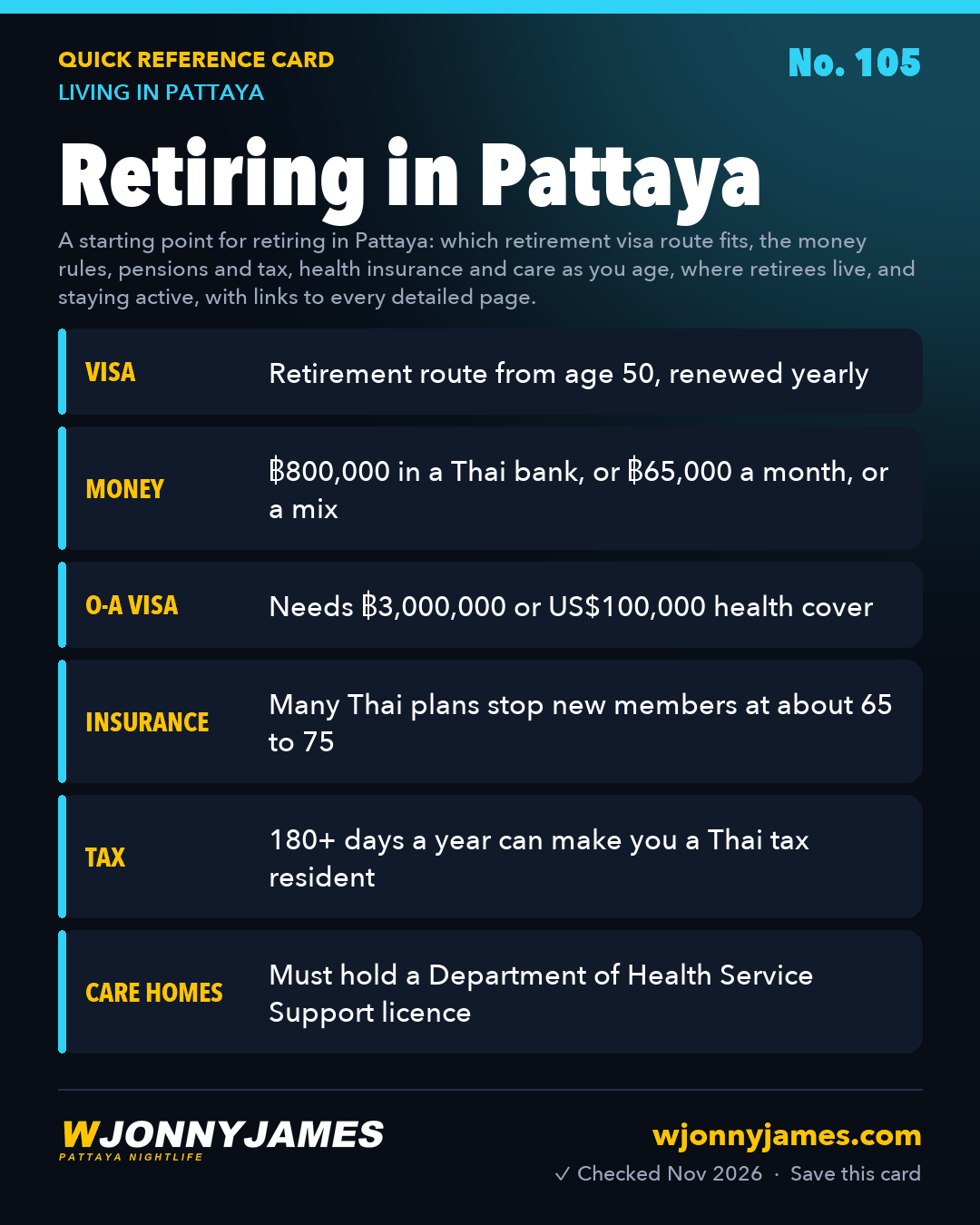
Quick answer: Pattaya is one of Thailand’s most popular places to retire: warm all year, with private hospitals, a large expat community and day to day costs below most Western countries. The legal side is a retirement based stay for people aged 50 or over, renewed a year at a time at Jomtien immigration, with ฿800,000 in a Thai bank, ฿65,000 a month of income, or a mix. The things that catch retirees out are usually money and health, not the visa: health insurance gets harder to buy with age, Medicare and some state pensions don’t follow you here in full, and foreign income brought in can be taxed. Each section below points to the detailed guide.
At a glance
| Topic | What to know | Detailed guide |
|---|---|---|
| Visa | Age 50+, yearly extension, ฿1,900 a time, 90 day reports | Retirement visa |
| Money rule | ฿800,000 in a Thai bank, ฿65,000 a month, or a mix | Thai bank account |
| Health cover | Buy early; required for the O-A visa | Health insurance |
| Care later on | Caregivers, nurses and licensed care homes | Elderly care |
| Budget | About ฿30,000 to ฿40,000 a month frugal, single | Monthly budgets |
| Tax | Remitted foreign income can be taxable | Thai tax basics |
Choosing a visa route
There are two main ways in, and the difference is mostly insurance:
- Non-Immigrant O, then yearly extensions. A Non-O retirement visa from a Thai embassy gives 90 days; you then extend for a year at a time at Jomtien immigration. Health insurance usually isn’t required for these extensions, which is why many Pattaya retirees use this route.
- Non-Immigrant O-A, applied for at home. A year from the start, but it needs health cover of at least ฿3,000,000 or US$100,000, plus a police check and medical certificate.
- The bank route has timing rules: the money is usually in place two months before you apply, kept three months after, and never below ฿400,000. The full detail is on the retirement visa page.
- You still do 90 day reports and need a reentry permit before trips abroad, or the extension is lost.
- Alternatives: the paid Thailand Privilege membership, the marriage visa if you marry a Thai citizen, and the government’s LTR visa, which has a “wealthy pensioner” category for people 50 and over. Its income rules changed in 2025 and sources disagree on the current figures, so check the Board of Investment’s LTR site directly.
Money, pensions and tax
- Open a Thai bank account early: you need one for the bank balance route and for paying bills. See sending money to Thailand.
- See monthly budget examples and cost of living, and allow for exchange rate swings.
- UK State Pension: Thailand is one of the countries where it is “frozen”: British pensioners living here don’t get the yearly increase paid in the UK, as The Thaiger reported in October 2024. Check your own case with the UK International Pension Centre.
- US Medicare says it usually doesn’t cover health care outside the US, so it is not a substitute for cover here.
- Tax: if you spend 180 days or more in Thailand in a calendar year, you are usually a tax resident, and foreign income you bring into Thailand can be taxable under the rule in force since 1 January 2024. A proposed relief for money remitted soon after it is earned was still a draft, not law, according to a Thai law firm’s tracker updated in November 2026. Whether a pension is taxed here depends on the tax treaty with the paying country. See Thai tax basics and get advice for your situation.
Health, insurance and care
- Private hospitals are good and fast, and they charge accordingly. Register at one near home before you need it. See hospitals and clinics, hospital costs and registering at a hospital.
- Insurance is easiest to buy while you are younger and healthy. Many Thai policies stop taking new members at about 65 to 75, and conditions you already have are often excluded. International policies are often more flexible on age. The whole comparison is on health insurance.
- If you or a partner may need help later, read elderly care: caregivers, visiting nurses and care homes, which must hold a Department of Health Service Support licence. Thai state elderly benefits are for Thai nationals.
- Yearly checkups are sold as packages by private hospitals. See health checkups and pharmacies and medicines.
Where to live
- Most retirees rent first. See renting a condo and renting a house.
- Foreigners can own a condo unit within a building’s 49% foreign quota, but can’t own land directly. Think hard before buying. See buy or rent and buying a condo.
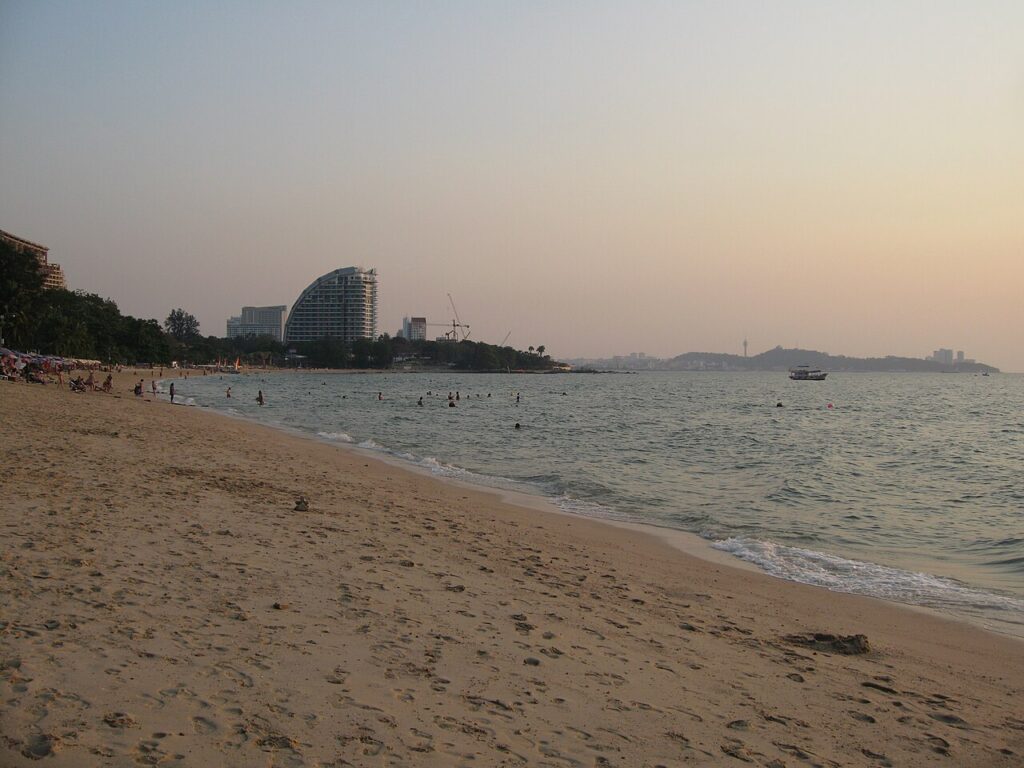
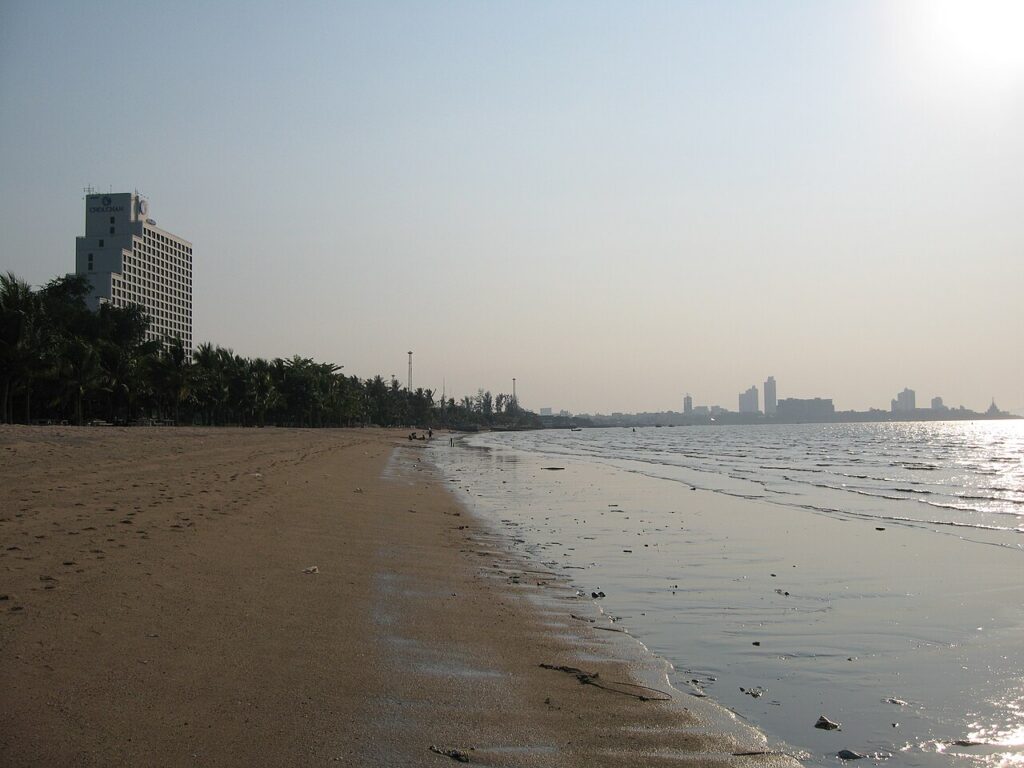
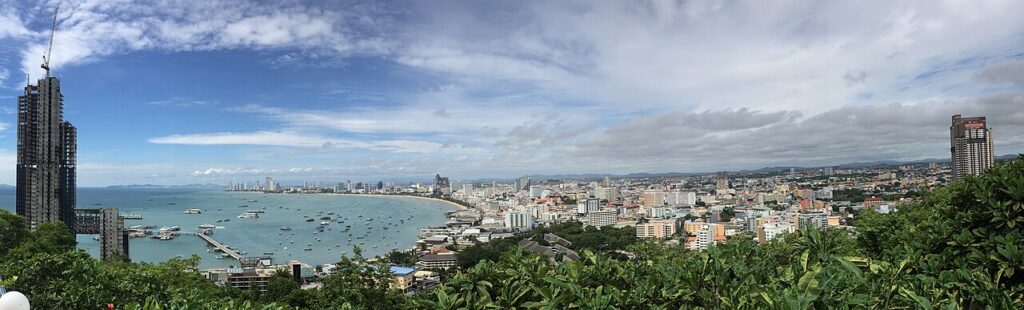
- Quieter areas popular with long stayers: Jomtien, Pratumnak, Mabprachan and Huay Yai. Check the walk or ride to a hospital, a pharmacy and a supermarket, not only the view.
Pro tip: for a retiree, I’d pick Jomtien. It can save money and it’s a lighter experience than the middle of the city.
Staying active and connected
- The Pattaya City Expats Club meets on Wednesday mornings with talks and an open forum, and the living-in-pattaya/expat-clubs/">Pattaya Sports Club runs golf, darts, bowling and more. See expat clubs.
- See golf courses and running and cycling.
- A little Thai goes a long way with neighbours, doctors and officials. See learning Thai.
- If you want to drive, swap to a Thai licence once you are settled. See Thai driving licence.
Planning ahead
- Keep a one page sheet of your medicines, allergies, hospital number, insurer and emergency contacts, and copies of your visa papers.
- Watch out for money pressure from new friends or partners. See love scams and common scams; if you lose money to an online scam, call 1441.
Common questions
What is the minimum age to retire in Thailand? 50. Under 50, look at the DTV or Thailand Privilege.
Do I need health insurance to retire in Pattaya? For the O-A visa, yes: at least ฿3,000,000 or US$100,000. For Non-O extensions inside Thailand it usually isn’t required, but going without cover is a real risk as you age.
Is my pension taxed in Thailand? It can be, if you are tax resident and bring it into Thailand. Tax treaties decide some cases, and the rules were under review in 2026, so ask a tax adviser.
Where do retirees live in Pattaya? Many choose Jomtien, Pratumnak or quieter areas such as Mabprachan in East Pattaya and Huay Yai to the south east.
Sources
Checked 13 November 2026: Royal Thai Consulate General Los Angeles, Non-O, O-A and O-X retirement visas (updated 29 October 2026); Thai Law Online, remittance tax exemption status (updated November 2026); The Thaiger, UK pensions frozen in Thailand (October 2024); Medicare.gov, travel outside the U.S.. Visa, insurance and care figures match our retirement visa, health insurance and elderly care pages, checked the same day. Sources disagree on the LTR wealthy pensioner income rules. General information, not legal, tax or financial advice.
Useful next steps
- See the retirement visa.
- See the Thailand Privilege visa.
- See health insurance.
Related pages
 🏠 Living in PattayaShipping Parcels in Thailand
 🏠 Living in PattayaMoving Things Between Cities
 🏠 Living in PattayaSIM Cards & eSIMs
 🏠 Living in PattayaWhat Surprised Me About Daily Life in Thailand
 🏠 Living in PattayaYour First Week Living in Pattaya: Checklist
 🏠 Living in PattayaWintering in Pattaya: A Snowbird Guide
Ride along with Jonny
Every guide page comes from the nightly rides through Pattaya. Watch them, ask questions in the community, or help keep the camera rolling.
Watch the rides Join the Telegram Leave a tip Support the rides

 ไทย
 中文
 Русский
 한국어
 Deutsch
 Français