

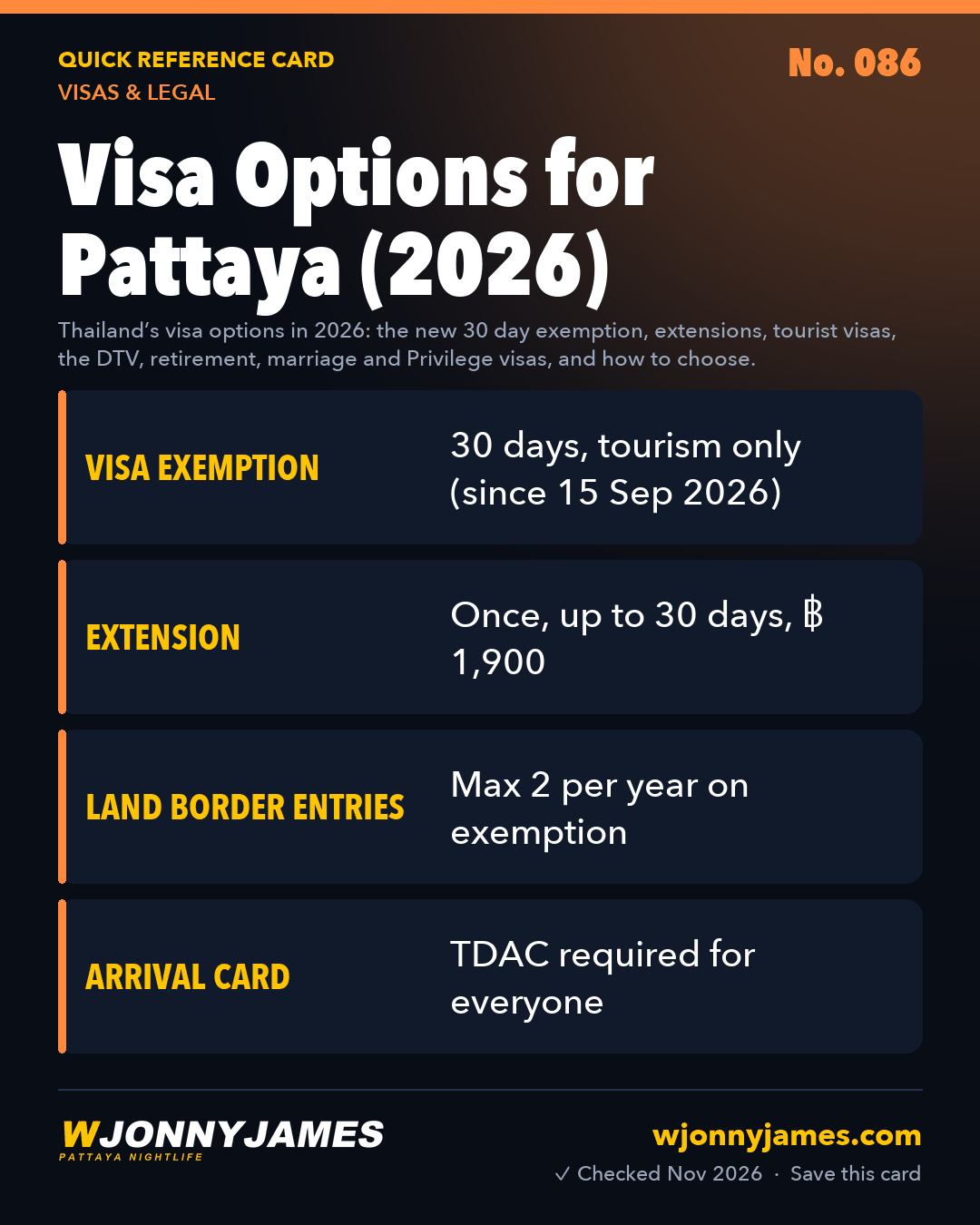
Thailand’s rules changed in 2026. From 15 September 2026, the 60 day visa exemption ended, and visitors from eligible countries, including the US, UK, Canada and Australia, now get 30 days, for tourism only. Always check the official Thai immigration and embassy websites before you travel, rules can change at short notice.
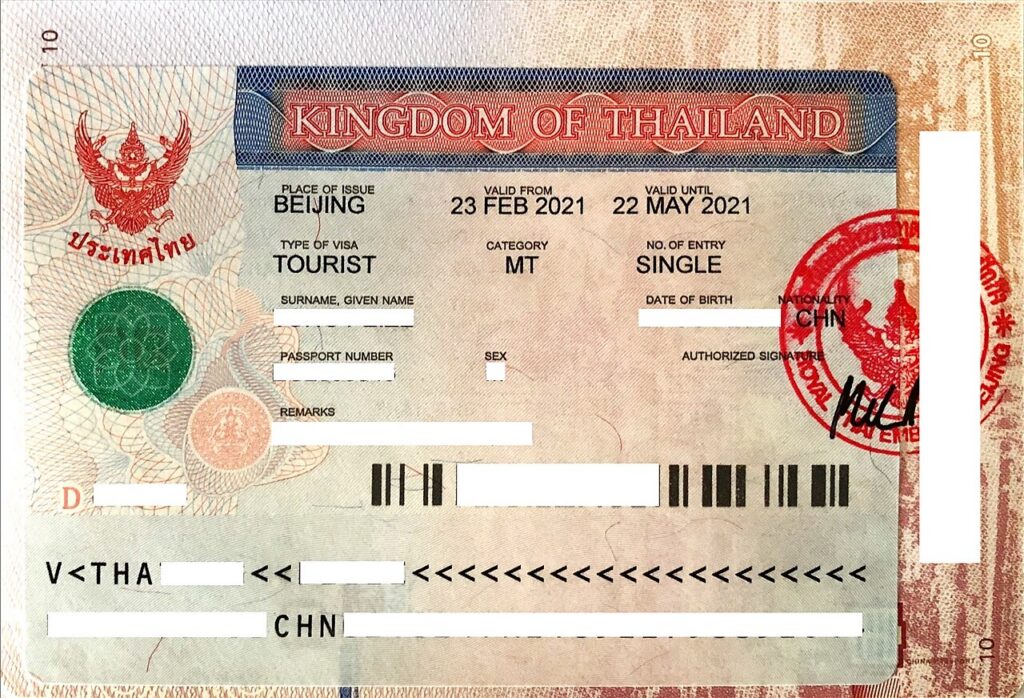
Quick answer: For a holiday of up to about two months, the 30 day visa exemption plus one ฿1,900 extension at Jomtien immigration is usually enough. If you already know you want two months or more, apply online for a tourist visa (60 days, extendable by 30) before you fly. For longer stays, the main routes are the DTV (five years, for remote workers and people doing courses), the retirement visa (age 50+), the marriage visa, an education visa, or a paid Thailand Privilege membership.
What changed on 15 September 2026
- Thailand’s Ministry of Foreign Affairs announced the change on 3 September 2026, after it was published in the Royal Gazette on 31 August.
- The 60 day exemption was revoked. The 30 day tourism exemption now covers 60 countries and territories, a new 15 day exemption covers two, and visa on arrival was cut to three.
- The exemption is for tourism only. Other purposes need the right visa.
- If you entered before 15 September 2026, you keep the stay you were given.
- The ministry said other visa types were not affected “at this point”.
- Many websites and videos still say 60 days. They were written before the change.
The 30 day visa exemption
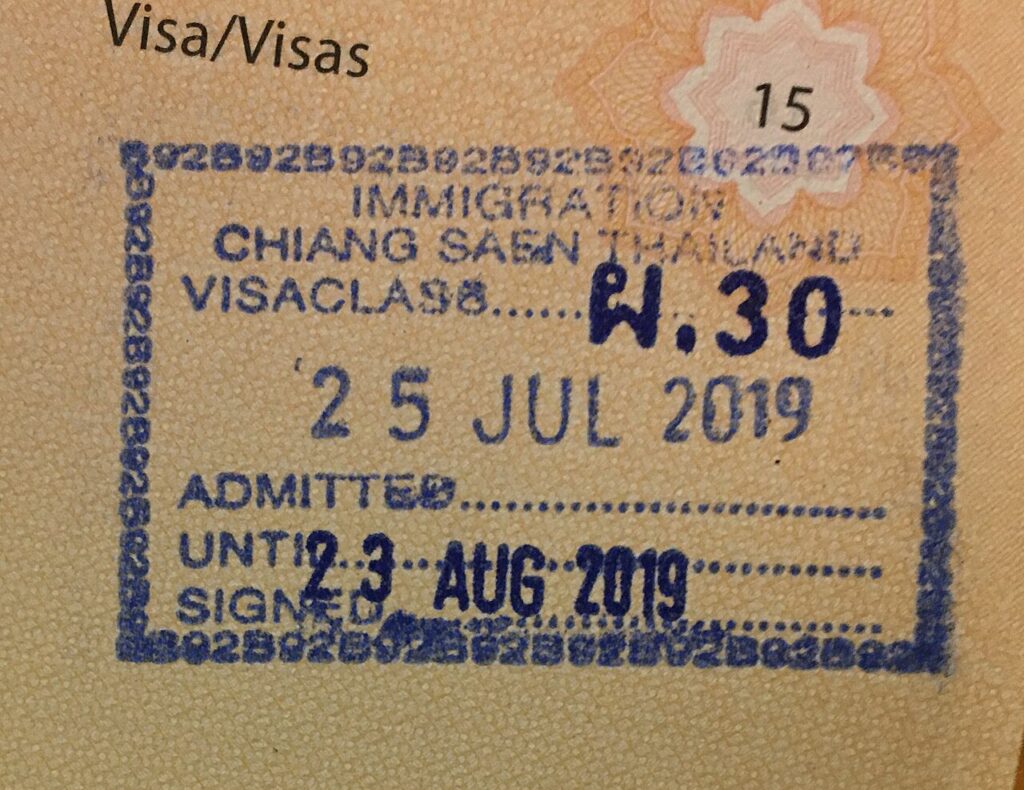
- 30 days on arrival for tourism, for passport holders from eligible countries.
- Can be extended once, for up to 30 more days, at an immigration office for ฿1,900, at the officer’s discretion. In Pattaya that is the Jomtien Immigration Office. See visa extensions.
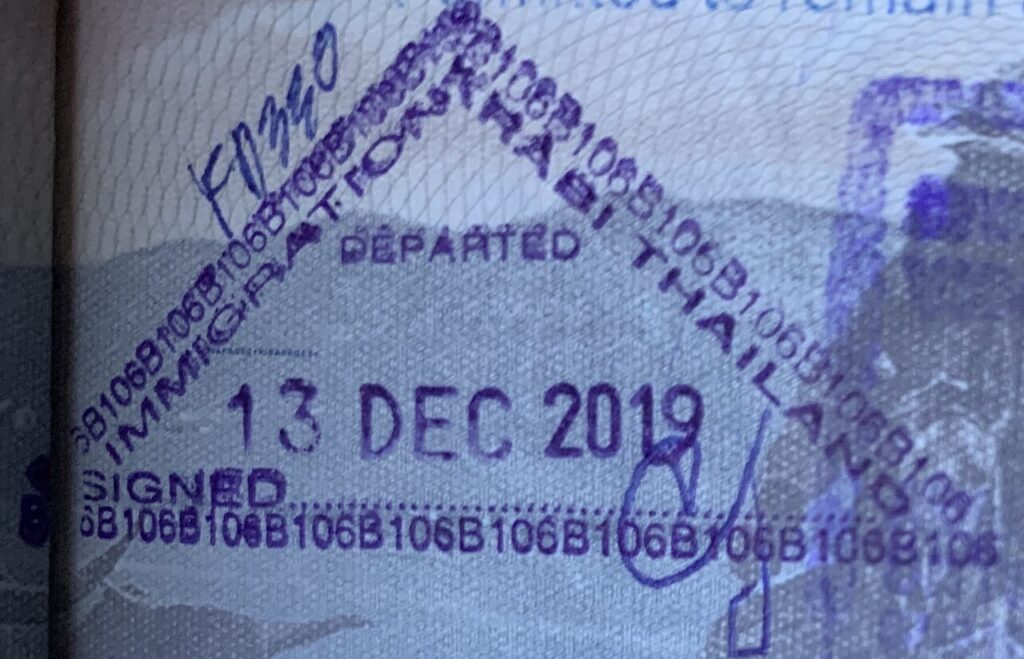
- On the exemption you can enter by land border no more than twice a calendar year. See border runs.
- Back to back exemption entries by air can be questioned or refused. If you want to stay for months, get a proper visa.
Your options compared
| Option | How long | Cost (Nov 2026) | Best for |
|---|---|---|---|
| Visa exemption | 30 days, extend once by 30 | Free, ฿1,900 to extend | Holidays up to about two months |
| Tourist visa (TR) | 60 days, extend once by 30 | Visa fee varies by country, ฿1,900 to extend | Longer holidays, planned in advance |
| Destination Thailand Visa (DTV) | 5 years, up to 180 days per entry, extend once per entry by 180 | Around ฿10,000, plus ฿500,000 savings shown | Remote workers, courses like Muay Thai or cooking |
| Education visa (ED) | Usually 90 days at a time, renewed while you study | School fees plus visa and extension fees | Learning Thai at a licensed school |
| Retirement (Non-O, then yearly extension) | 1 year at a time | ฿1,900 a year, plus ฿800,000 in a Thai bank or ฿65,000 a month income | Age 50 and over |
| Marriage (Non-O) | 1 year at a time | ฿1,900 a year, plus ฿400,000 in a Thai bank or ฿40,000 a month income | Spouses of Thai citizens |
| Thailand Privilege | 5 to 20 years | ฿900,000 to ฿5,000,000 by tier (cheaper tiers offered at times) | People who want ease and can pay upfront |
| Work visa (Non-B) and permit | Tied to your job | Employer or company costs | Working for a Thai employer or your own Thai company |
Money rules and fees are summaries. Each visa page has the detail, and the official sites have the final word.
Longer stays: the main visas
- Tourist visa: applied for online through the Thai e-Visa site before you travel, for a longer single holiday.
- Destination Thailand Visa (DTV): for remote workers and longer visits. See DTV visa.
- Retirement visa: for people aged 50 and over who meet the money rules. See retirement visa.
- Marriage visa: for people married to a Thai national. See marriage visa.
- Education visa: for students at a licensed school, including Thai language schools. Schools usually require real attendance. See learning Thai.
- Thailand Privilege (Elite): a paid membership visa for 5 to 20 years. It is the visa Jonny uses. See Thailand Privilege visa.
- Work visa and permit: needed to work legally for a Thai employer. See working legally.
Which one fits?
- A holiday of a few weeks: the exemption, maybe with one extension.
- A long winter or a few months: a tourist visa or the DTV. See snowbirds and winter stays.
- Working online for clients or an employer outside Thailand: the DTV was made for this.
- Living here and over 50: the retirement visa or Thailand Privilege. See retiring in Pattaya.
- Married to a Thai: the marriage visa.
- Want to learn Thai and stay a while: the education visa.
- A good visa agent or the Thai embassy can tell you which fits your situation.
Pro tip: my #1 advice is to start on a tourist stay, extend it, and use those roughly 60 days to talk to as many locals as you can for direct advice on the ground. Things in Pattaya are a bit different than online. There are many options less expensive than mine, a 20 year Elite visa (now Thailand Privilege). As an entrepreneur, I wish I’d waited for the DTV or opened a business with a work visa. If you aren’t an entrepreneur and want to learn some Thai, the education visa is fantastic.
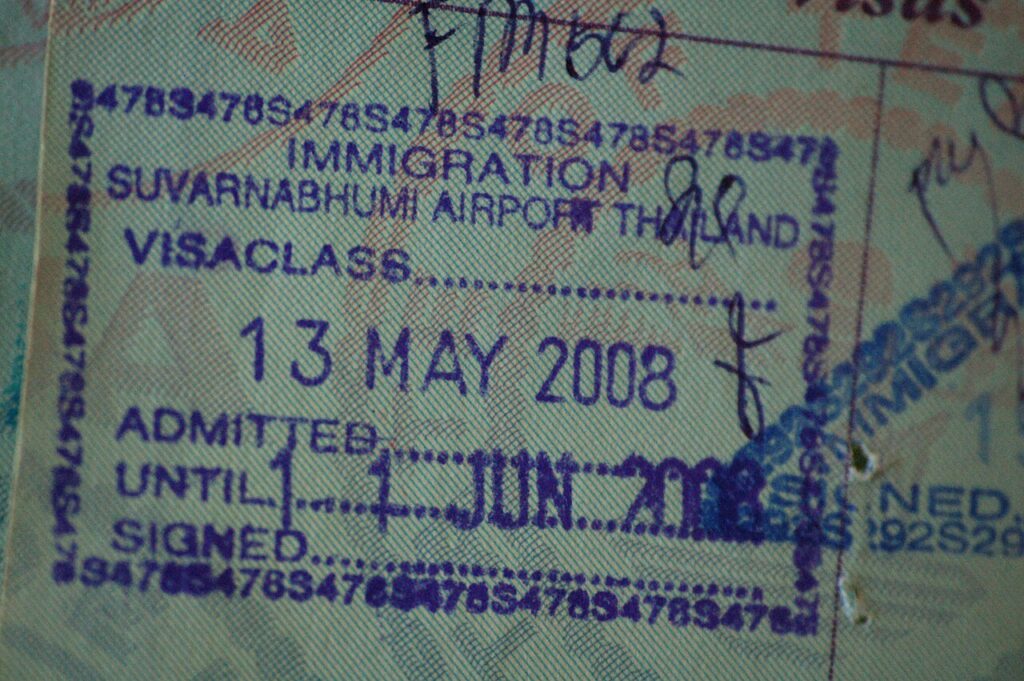
Once you are here
- Long stays need 90 day reports. See 90 day reports.
- Your accommodation files TM30. See TM30 explained.
- Leaving and coming back on some visas needs a reentry permit, or your permission to stay ends when you leave. See reentry permits.
- No visa lets you work for a Thai employer without a work permit. See working legally.
Before you fly
- Fill in the Thailand Digital Arrival Card online before arrival. It is free. See TDAC arrival card.
- Your passport should be valid for at least six months.
- Carry proof of onward travel, as airlines and immigration may ask.
- Apply for visas only on the official Thai e-Visa site. Lookalike sites charge extra fees.
- Some officers ask to see funds for your stay. Have a bank app or statement ready.
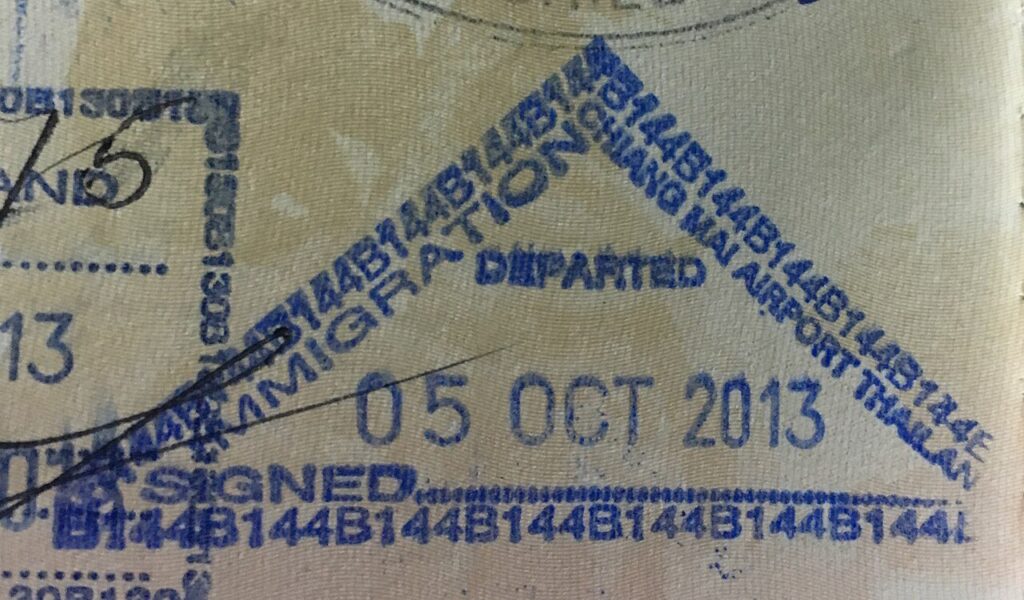
Overstaying
Overstaying costs ฿500 a day, up to ฿20,000, paid when you leave. Longer overstays bring bans: if you hand yourself in, more than 90 days can mean a 1 year ban, more than a year 3 years, more than 3 years 5 years, and more than 5 years 10 years. If you are caught rather than leaving on your own, bans can be longer, with detention first. Track your dates and extend or leave in time.
Common questions
Can I still get 60 days in Thailand? Yes, but not on the visa exemption any more. Apply for a tourist visa before you travel, or enter on the 30 day exemption and extend once for ฿1,900.
Can I extend the 30 day visa exemption in Pattaya? Usually once, by up to 30 days, at Jomtien immigration, for ฿1,900, at the officer’s discretion.
Which countries get the 30 day exemption? The ministry says 60 countries and territories, including the US, UK, Canada and Australia. Check the official list on the Ministry of Foreign Affairs site for your passport.
Can I work remotely on a tourist visa or exemption? The exemption is for tourism only. If you work online while you are here, the DTV is the visa designed for it. Working for Thai clients or a Thai employer needs a work permit.
Do I need a return ticket? Proof of onward travel is often asked for by airlines, and immigration may ask too. A booked flight out within your permitted stay is the safest option.
Is a visa agent worth it? For yearly extensions and paperwork, many long stayers use one. Pick one recommended by people you know, get a receipt for everything, and avoid anyone offering to skip the rules.
This is general information, not immigration advice. Check official sources before you act.
Related pages
Ride along with Jonny
Every guide page comes from the nightly rides through Pattaya. Watch them, ask questions in the community, or help keep the camera rolling.
Watch the rides Join the Telegram Leave a tip Support the rides

 ไทย
 中文
 Русский
 한국어
 Deutsch
 Français