

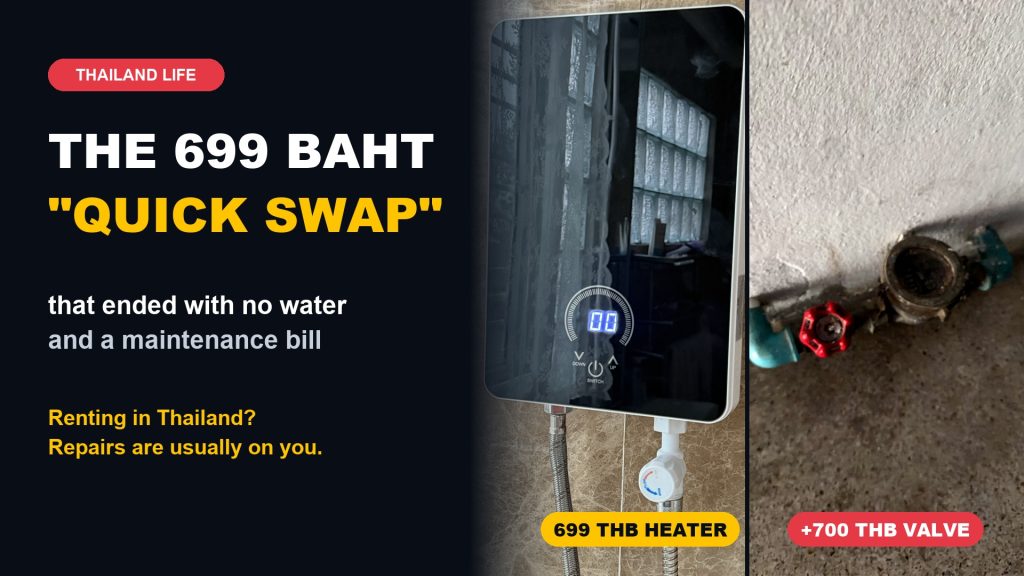

A small condo repair, and a big lesson about who pays for maintenance in Thailand
My water heater died, so I ordered a new one on Shopee for 699 baht. It came two days later. The plan was simple: a straight swap that I’d do myself.
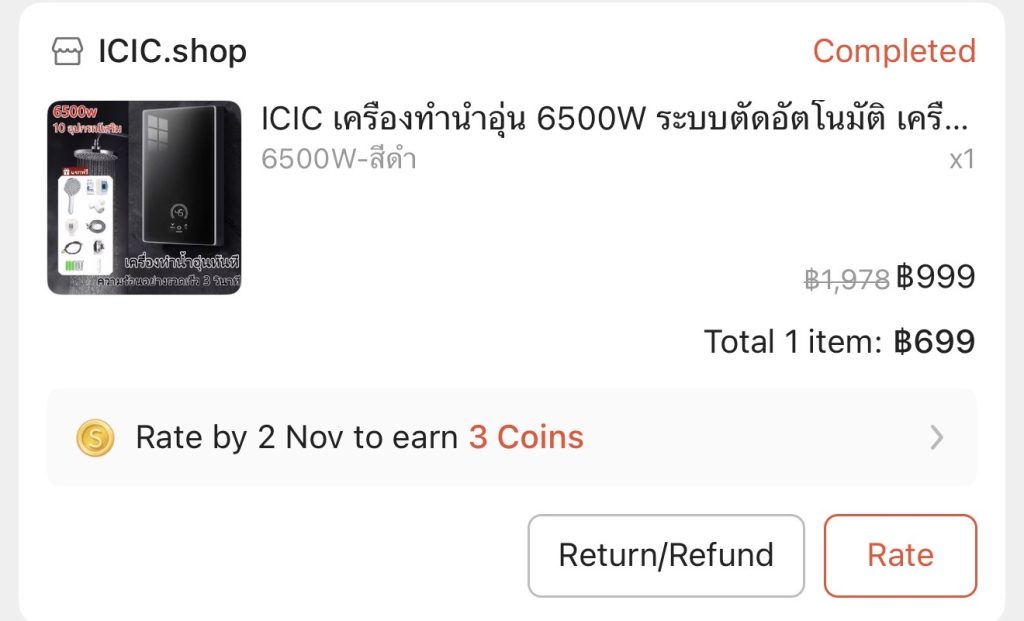
The install went fine
- Turned off the power at the breaker.
- Shut off my unit’s water at the main valve outside.
- Took out the old heater and put in the new one.
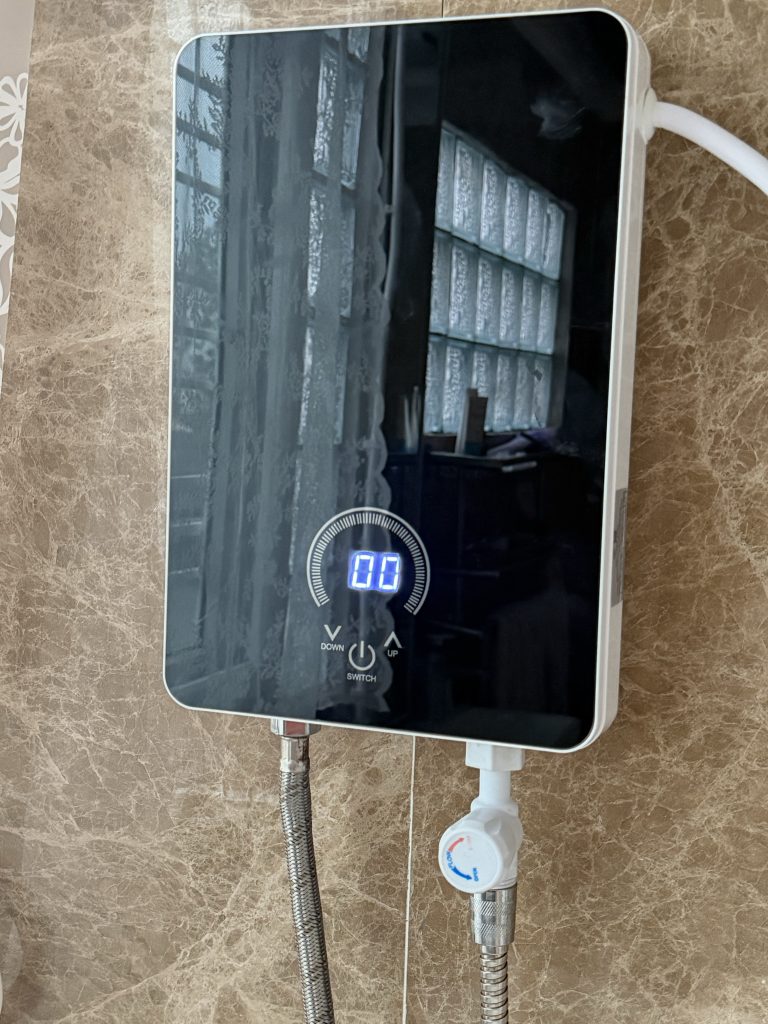
All good, right?
Then I tried to turn the water back on
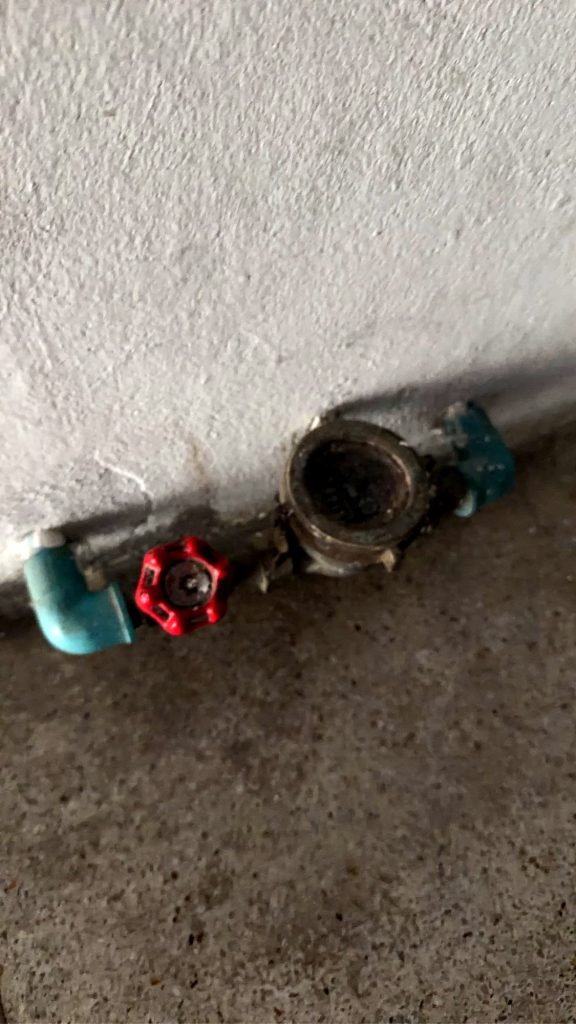
The valve handle just kept spinning, clockwise and counterclockwise, with no stopping point and no resistance. I had no water anywhere in the condo.
My neighbour’s water was working normally, so it wasn’t a building problem. The valve had closed, but something inside it (the stem, the threads or the gate) gave out when I tried to open it again. The handle turns, but the valve itself is stuck shut.
Getting it fixed
I reported it to the building’s maintenance team, and a technician came to look within about 20 minutes. I used ChatGPT to translate the problem into Thai and showed him on my phone. He quoted 700 baht for the repair. EDIT: They have to cut the PVC pipes for the new valve so the cost is now 1000 (not 700)**
So the 699 baht heater ended up costing 1,699 baht.
The real lesson: in Thailand, repairs are usually on you
In many countries, a broken main shutoff valve in a condo would be the building’s or the landlord’s job to fix. In Thailand, almost everything is your responsibility, and that usually applies to renters too.
- Air conditioner stops working? You pay.
- Water heater breaks? You pay.
- Fridge dies? You replace it.
Some landlords, often foreign owners, handle things differently and may cover repairs, but don’t count on it. If you’re expecting the landlord to pay, these costs can catch you out.
Practical tips if you live here
- Keep a repair fund. Small surprises like this add up.
- Read your lease and ask the landlord up front who pays for what.
- Older valves can fail when you use them. If a shutoff hasn’t been turned in years, there’s a real chance it breaks when you do.
- Know where your building’s maintenance office is and how to contact them, and find out whether they can shut off your water further up the line.
- Translation apps are a huge help. A clear written explanation in Thai got my problem understood and fixed quickly.
Just another normal day living in Thailand. 😅
P.S. In the middle of all this I also needed to put cash into my Kasikorn account without going to a branch. It turns out you can do it at 7-Eleven, although not every shop can. I’ve written the full step by step for paid members.
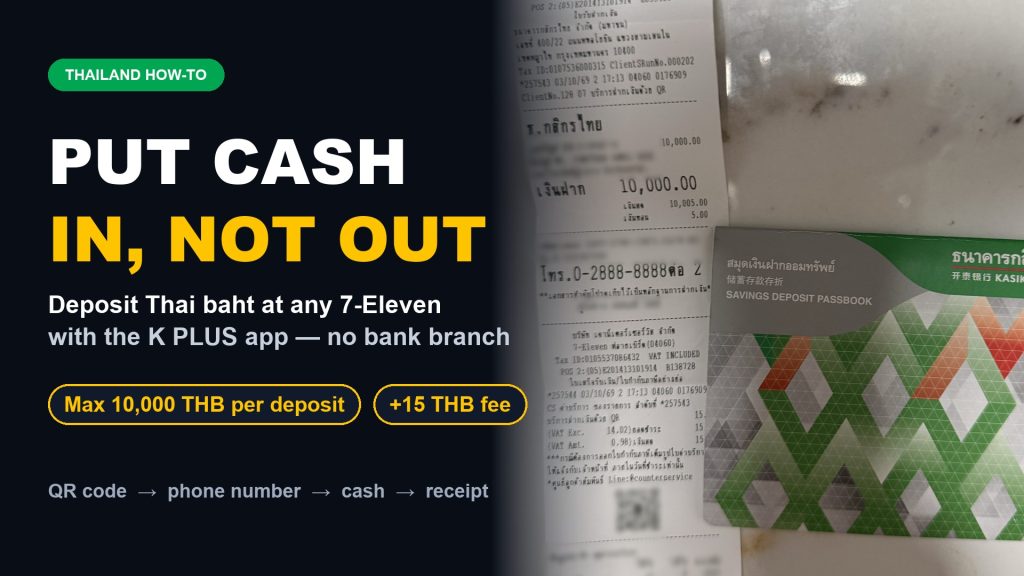
🔒 How to deposit cash at 7-Eleven with K PLUS (W Members)
The bottom line
Lesson learned: the cheapest quick fix isn’t always the cheapest. Ask exactly what’s being changed before anyone starts work, and keep a number for someone you trust.
Read this next
If this was useful, these are the pages I’d read next.
Living in Pattaya
- Home Repairs and Handymen in Pattaya
- Condo Living: Rules and the Juristic Office
- Power Cuts and Water Outages in Pattaya
- Renting a Condo in Pattaya
- Drinking Water in Pattaya





 ไทย
 中文
 Русский
 한국어
 Deutsch
 Français