

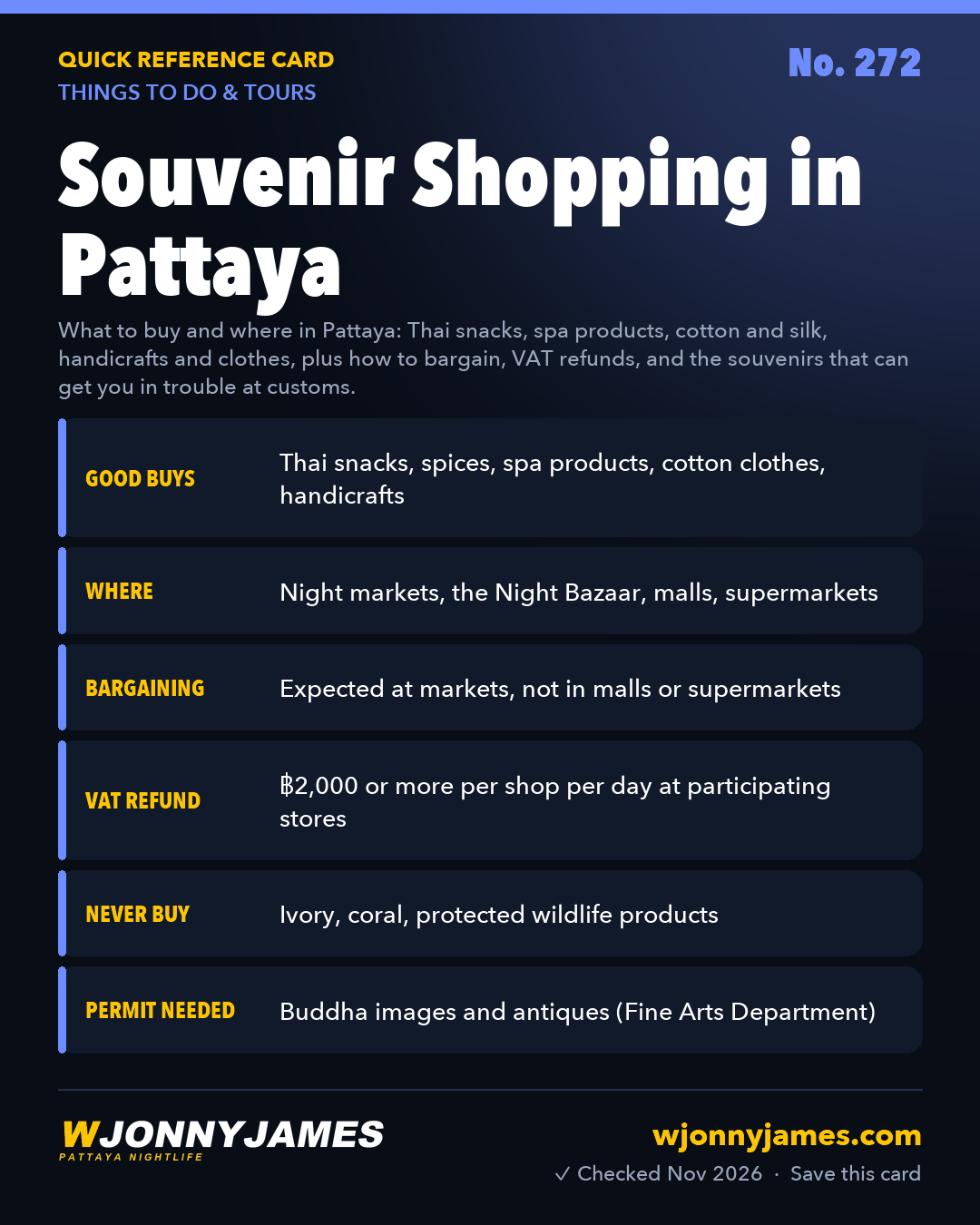
Quick answer: The best Pattaya souvenirs are small, cheap and useful: dried fruit, Thai tea and curry pastes from supermarkets, soaps, balms and herbal products, cotton clothes and sarongs from the markets, and handicrafts like carved wood and ceramics. Buy food gifts in supermarkets at local prices, haggle politely at food-deals/night-markets/">night markets and the Night Bazaar, and use the malls for fixed prices and VAT refunds. Never buy ivory, coral or protected wildlife products, and remember that Buddha images and antiques need a Fine Arts Department permit to leave Thailand.
At a glance
| What | Best place to buy | Good to know |
|---|---|---|
| Snacks, tea, spices, curry pastes | Supermarkets and convenience stores | Fixed local prices; check your home country’s food rules |
| Soaps, balms, oils, herbal products | Markets, malls, pharmacies | Liquids over 100 ml go in checked bags |
| Cotton clothes, sarongs, elephant trousers | Night markets, Night Bazaar | Bargain; cheap but not always durable |
| Silk and better textiles | Malls and specialist shops | Price usually reflects quality |
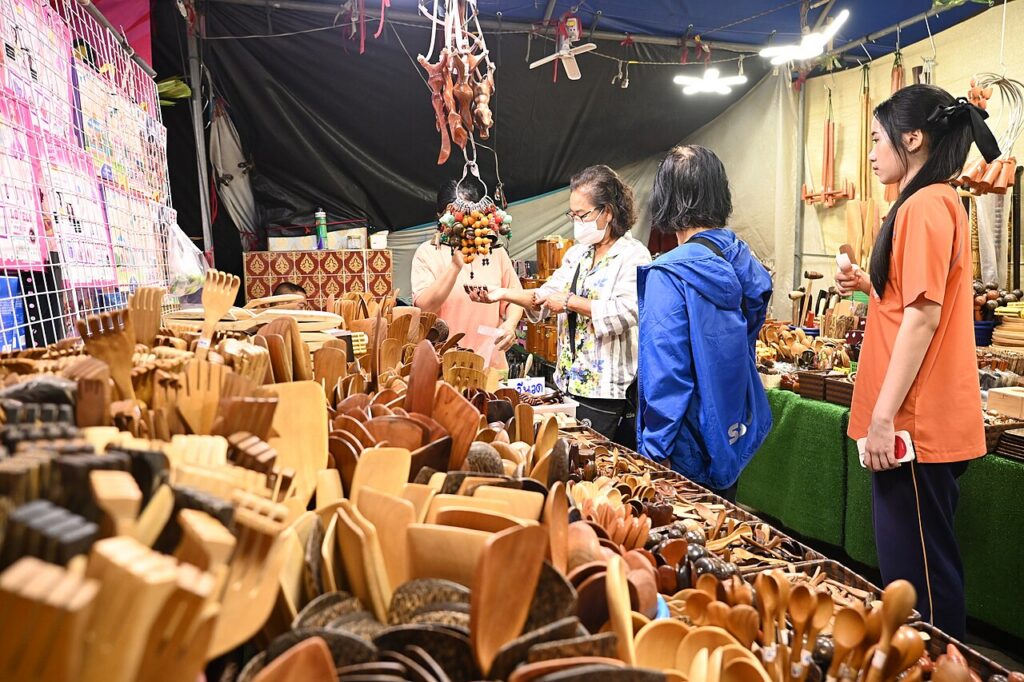
| Handicrafts, wood, ceramics | Night Bazaar, Floating Market, malls | Wrap well for the flight |
| Gold | Gold shops | See our gold and pawn shops page |
What to buy
- Food gifts. Dried mango and other dried fruit, Thai tea and coffee mixes, curry pastes, chilli sauces and snacks with Thai flavours are light, cheap and easy to share. Buy sealed, labelled packs so they are easier to declare at home.
- Spa and herbal products. Soaps, body scrubs, massage oils, herbal balms and the small herbal inhalers sold everywhere. Pack liquids and balms in your checked bag.
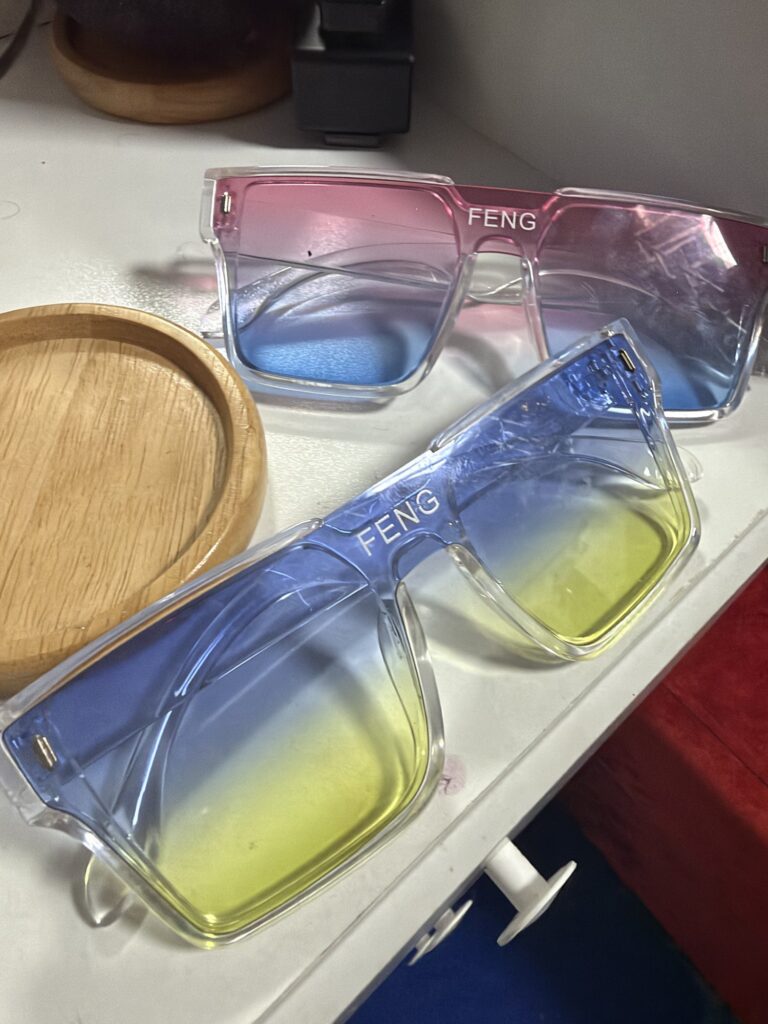
- Clothes. Cotton shirts, sarongs, fisherman and elephant trousers, and beachwear cost little at markets. Quality varies a lot, so check seams and fabric before you pay.
- Textiles. Silk scarves and woven cotton from different regions. Real silk costs more; very cheap “silk” is usually synthetic.
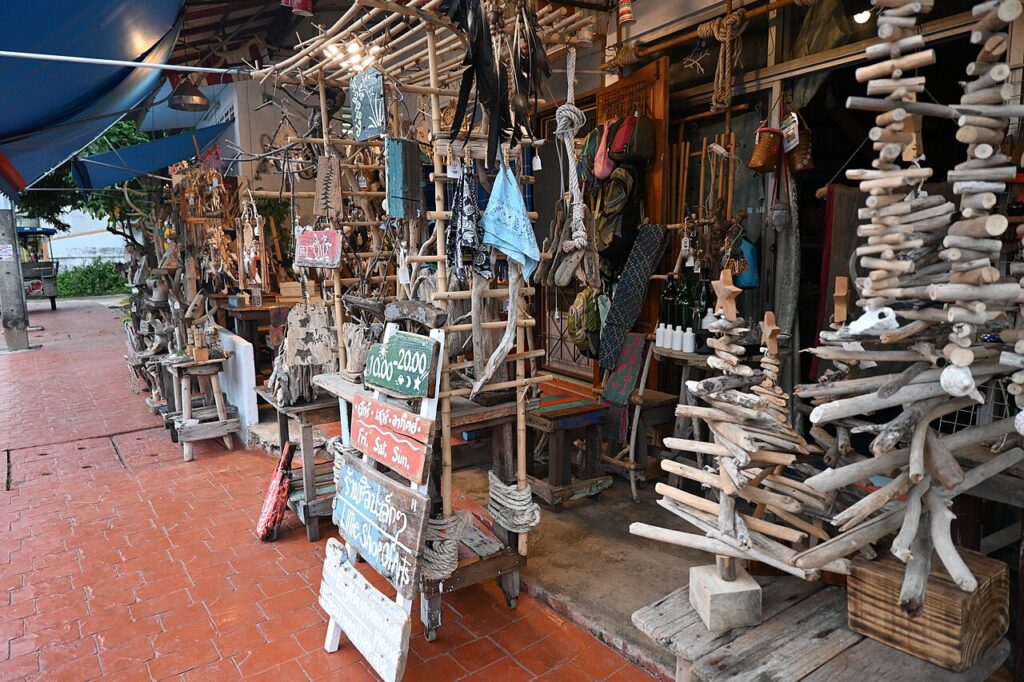
- Handicrafts. Carved wood, ceramics, woven baskets and bags, and small decorative items. The Pattaya Floating Market groups crafts by region, at visitor prices.
Pro tip: I like the clothes here and they’re super cheap, but they can be fragile. I spend an extra ฿300 to ฿500 a month replacing them, and I don’t mind. Watch for tourist markups, though: I’ve seen a ฿40 market smoothie sold for ฿280 at a beach restaurant, so compare before you buy.
Pro tip: Elephant pants: I’ve found you need to spend about 300 baht for good quality. Pairs under about 150 have fallen apart on me. These are a little pricey, but they’re much better quality and super comfortable. (I earn a small commission from Shopee if you buy through my links, at no extra cost to you. Affiliate disclosure.)
Pro tip: Thai herbal inhalers are sold everywhere. For a laugh, get the giant Hanuman inhaler and walk around with it. Mine came from Lazada; the link is the closest match on Shopee. (I earn a small commission from Shopee if you buy through my links, at no extra cost to you. Affiliate disclosure.)
Where to buy
- Pattaya Night Bazaar on Second Road, across from Central Pattaya: an indoor, air conditioned market with more than 250 stalls of clothes, souvenirs and handicrafts. Guides disagree on its hours; many stalls are only fully open from mid afternoon, and it is busiest from about 5pm to 10pm. It is a shopping market, not a food market.
- Night markets such as Thepprasit (busiest Friday to Sunday) and the Jomtien night market sell clothes, gadgets and cheap gifts alongside food. See night markets.
- Malls like Central Pattaya and Terminal 21 have fixed prices, Thai brands, better quality crafts and the “VAT Refund for Tourists” scheme. See shopping malls.
- Supermarkets are the cheapest place for food gifts, at local prices with no haggling. See supermarkets and groceries.
How to bargain
- At markets and street stalls, a friendly bargain is normal. Ask the price, smile, offer less, and meet somewhere in the middle.
- Walk the whole market before you buy: the same item can cost very different amounts at different stalls.
- Buying several items from one stall gives you more room to ask for a discount.
- Only bargain if you really want the item, and don’t argue over a few baht.
- Malls, supermarkets and shops with printed price tags have fixed prices.
- Carry small notes. Many stalls are cash only, and paying ฿100 for a ฿60 item is easier than breaking ฿1,000. See cash or card.
VAT refunds
Visitors can claim back much of Thailand’s 7% VAT on goods they take home. Shop at stores with the “VAT Refund for Tourists” sign, spend at least ฿2,000 (including VAT) at one shop on one day, show your passport when you pay, and take the goods out of Thailand within 60 days. If your refund goods total ฿20,000 or more, get them checked by customs at the airport before check in. Market stalls are not part of the scheme. Full steps are on leaving Thailand.
Souvenirs to avoid
- Ivory. The Tourism Authority of Thailand says buying ivory and taking it out of the country is illegal, with penalties of up to 10 years in prison, a fine of up to ฿1 million, or both, under the wildlife protection law.
- Coral, rare shells and protected wildlife. Thai Customs lists reserved and CITES listed wildlife as prohibited for import and export. Leave coral and shells on the beach, and don’t buy turtle shell, reptile skins or animal parts.
- Buddha images and antiques. Thai Customs says Buddha images, antiques and artefacts need a permit from the Fine Arts Department to leave Thailand. Small souvenir images from shops are a grey area, so ask the shop and don’t take antiques without paperwork. Many Thais also find Buddha heads used as decoration disrespectful. See Thai etiquette.
- Fake designer goods. Counterfeits can be seized by customs at home, and some countries fine the buyer.
- Cannabis, kratom and vapes. Rules in Thailand have changed, and many of these products are illegal in other countries. Don’t pack them. See legal in Thailand, not elsewhere.
Packing it home
- Liquids, sauces and oils over 100 ml go in checked luggage. Wrap bottles in plastic bags.
- Many countries restrict meat, fresh fruit, seeds and some plant products. Check your home country’s rules and declare food if asked.
- Leave space in your case. If you run out, the Night Bazaar sells bags and luggage.
Gold
Gold shops sell by weight at the day’s price, plus a making charge. See gold and pawn shops.
Common questions
What is the best souvenir to buy in Pattaya? Food gifts and herbal or spa products give the most for the money: dried fruit, Thai tea, curry pastes, soaps and balms. Cotton clothes from the markets are cheap and fun.
Can I take a Buddha statue home from Thailand? Buddha images and antiques need a Fine Arts Department export permit, according to Thai Customs. Ask the shop about small modern souvenirs, and don’t take antiques without paperwork.
Do Pattaya shops give VAT refunds? Shops in the “VAT Refund for Tourists” scheme do, mainly in the malls, if you spend ฿2,000 or more at one shop on one day. Markets don’t.
Sources
Checked 13 November 2026: TAT News, travel ivory free (February 2024); Thai Customs, prohibited and restricted goods; The Nation, VAT refund rules for tourists; Lorenzigo, Pattaya Night Bazaar (stalls and hours, which other guides dispute). VAT refund details match our leaving Thailand page. Customs rules in your home country also apply.
Plan your day
- Night markets are best for cheap gifts, malls for fixed prices.
- See night markets.
- See VAT refunds when leaving.
Related pages


Ride along with Jonny
Every guide page comes from the nightly rides through Pattaya. Watch them, ask questions in the community, or help keep the camera rolling.
Watch the rides Join the Telegram Leave a tip Support the rides
 ไทย
 中文
 Русский
 한국어
 Deutsch
 Français