

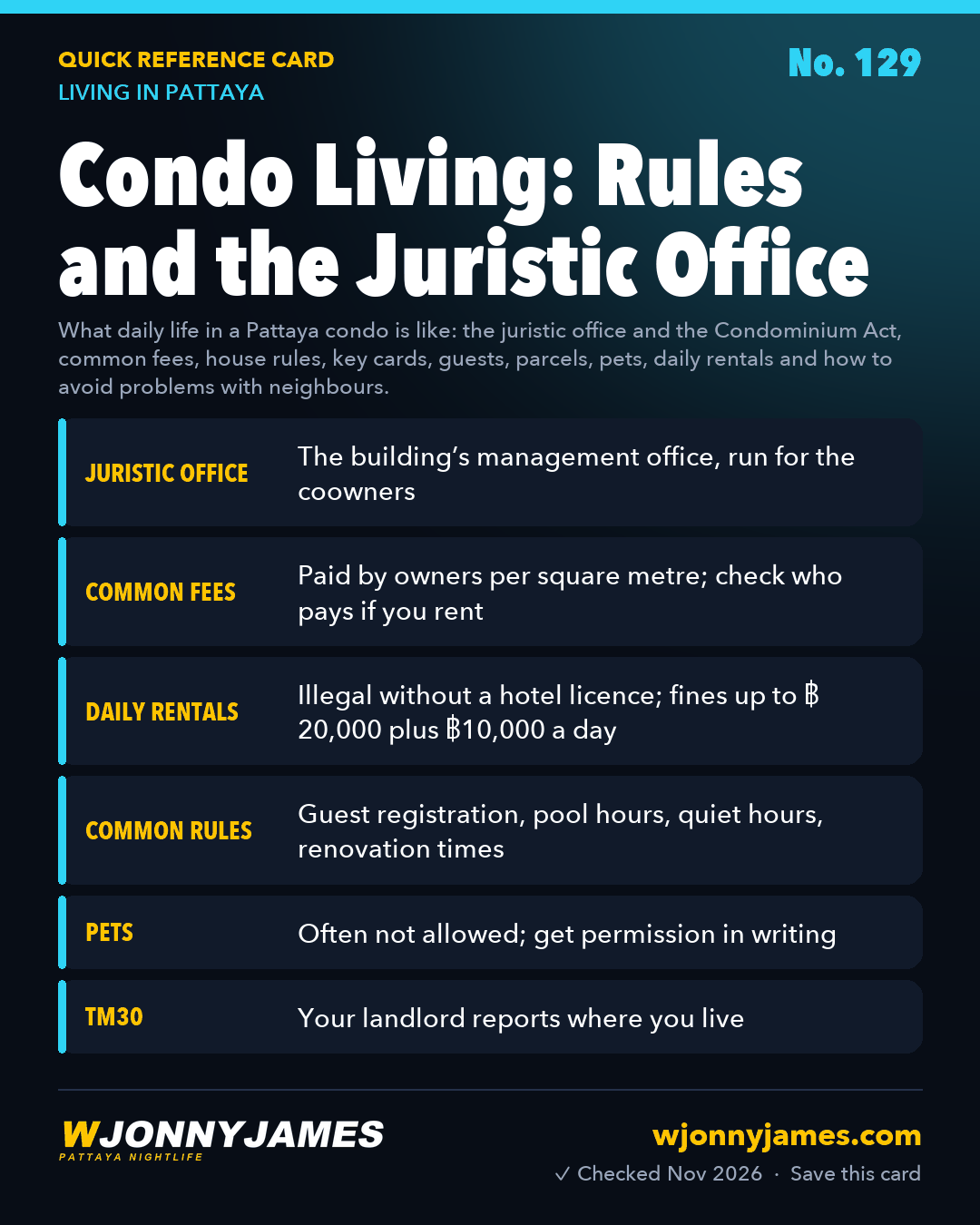
Quick answer: Most people in Pattaya live in condos, and every registered condo building is run by a juristic person, the coowners’ legal body, through a manager and the juristic office in the lobby. The office collects common fees from owners, runs security, cleaning and maintenance, holds parcels and enforces the house rules, which bind tenants as well as owners. Expect rules on guests, pool hours, noise, smoking, moving and renovation work, and pets, which many buildings don’t allow. Renting a unit out by the day is illegal without a hotel licence, and many buildings ban it in their own rules too. Read the house rules before you sign a lease or buy. For finding a place, see renting a condo.

At a glance
| Topic | What usually applies |
|---|---|
| Who runs it | The juristic person (all coowners), through a manager and office |
| Common fees | Paid by owners in proportion to unit size; tenants usually don’t pay them |
| Annual meeting | Owners approve the budget and fees |
| Guests | Register at reception, sometimes with ID |
| Pool and gym | Opening hours, dress and shower rules |
| Renovation and moving | Weekday working hours, notice to the office, sometimes a deposit |
| Pets | Often banned; get any permission in writing |
| Daily rentals | Illegal without a hotel licence; often banned by building rules |
The juristic office
Under Thailand’s Condominium Act B.E. 2522, a juristic person is created when a condo building is registered. It manages the common property, such as the lobby, lifts, pool, gym and car park, on behalf of all the owners. In practice you deal with the juristic office.
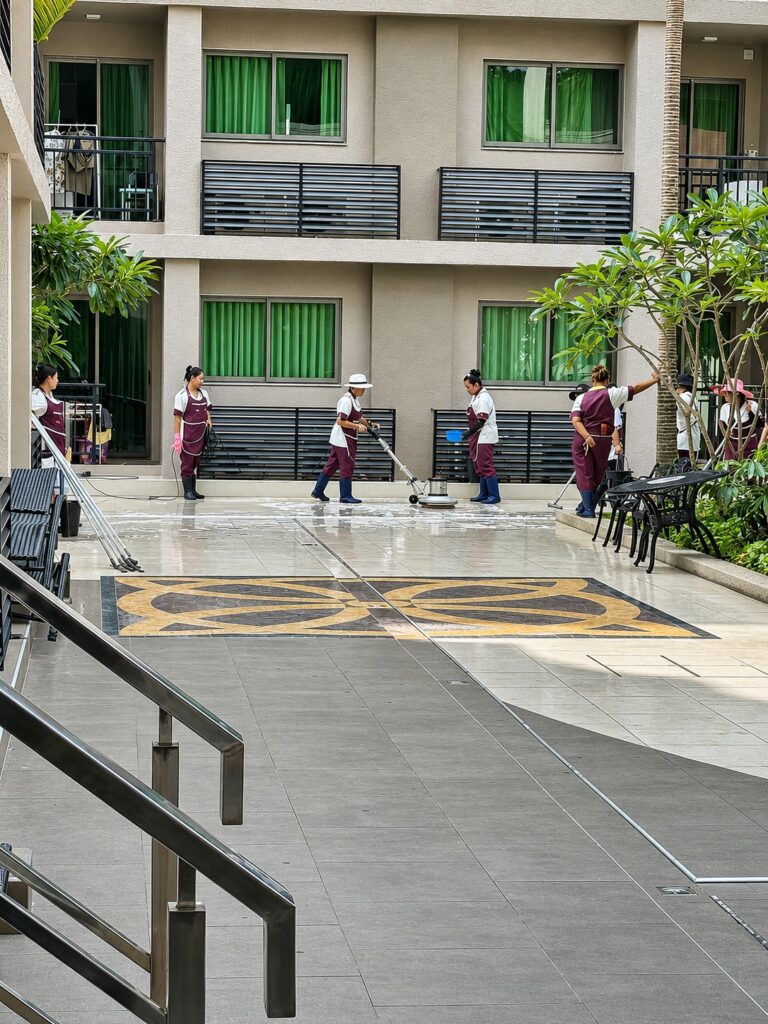
- It collects common fees, pays for security, cleaning and repairs, and enforces the building’s regulations.
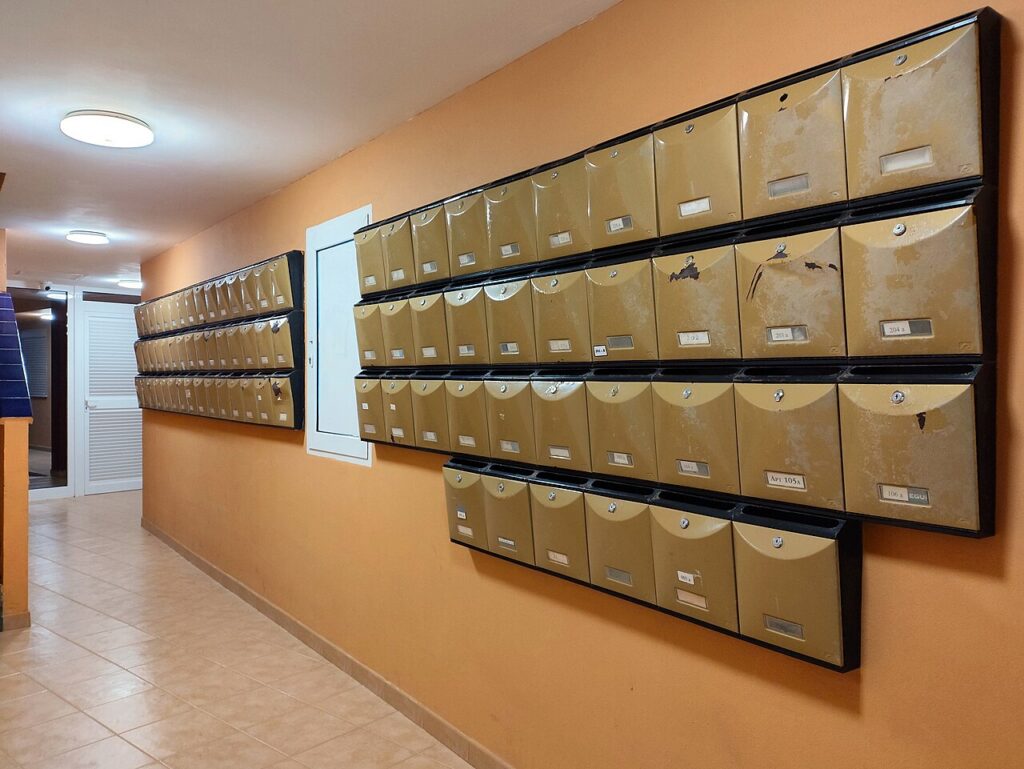
- It often holds parcels and posts notices about water and power cuts. See power and water outages.
- Many buildings have a LINE group or official account for residents. Ask to join: it’s where notices appear. See the LINE app.
- Owners meet at an annual general meeting, which approves the budget and so the fees. Tenants don’t vote; owners do.
Common fees and the sinking fund
- Common fees are charged to owners in proportion to their ownership share under Section 18 of the Act, so in practice per square metre. They follow from the budget the annual meeting approves, and a building with a big pool, gym and 24 hour security costs more to run.
- Sinking fund: a reserve for big repairs, paid once when a unit is first transferred from the developer. If it runs low, a general meeting can vote an extra levy.
- If you rent, the owner normally pays the common fees. Check the lease says so. Some leases also pass on water and electricity charges at the building’s rates. See utilities and bills.
- Owners who fall behind pay a surcharge, up to 12% a year and up to 20% once arrears reach six months, according to Thai Law Online, and can be sued for the fees. A Tilleke & Gibbins column in the Bangkok Post noted that Thai courts have treated cutting off water or electricity, or blocking key cards, to force payment as wrongful.
Common house rules
- Guests may need to register at reception, sometimes leaving ID. Overnight guests may need to be added to your record.
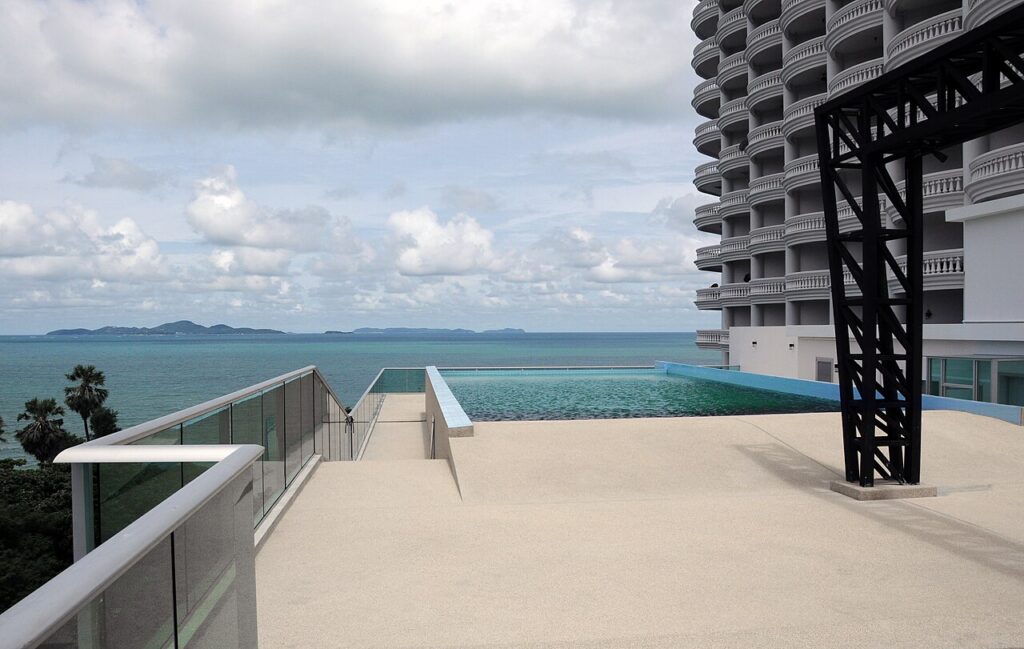
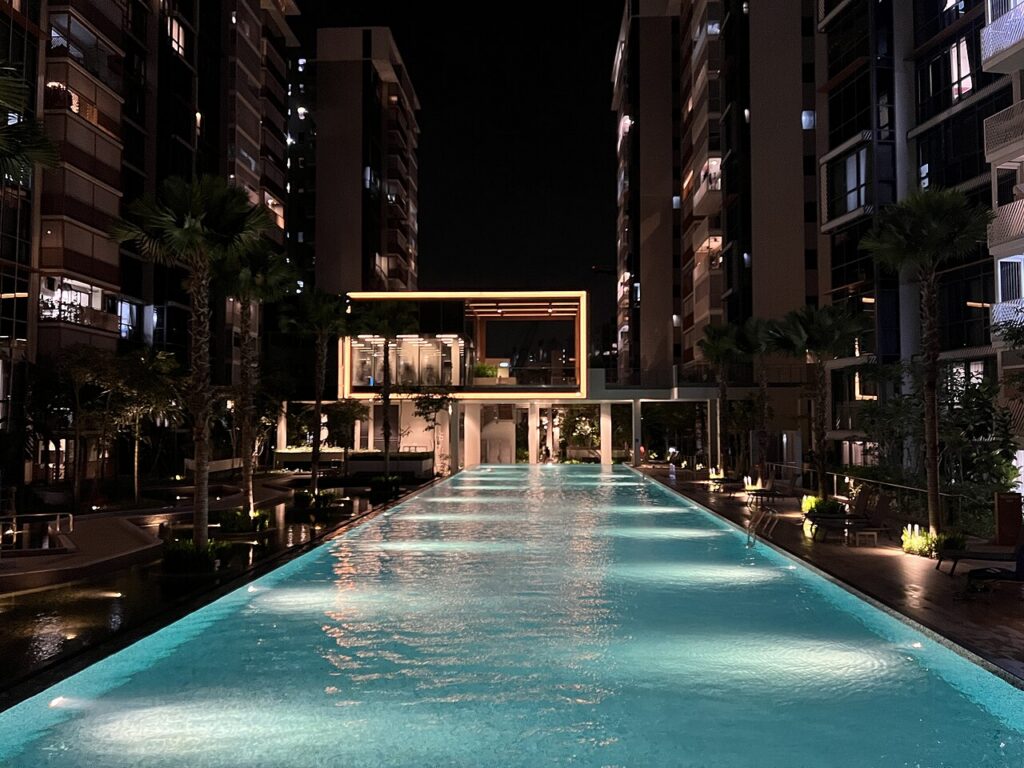
- Pools and gyms have opening hours and dress rules, and many ban glass, food and outside alcohol around the pool.
- No smoking in common areas and, in many buildings, on balconies too.
- Quiet hours at night, and set hours for drilling, renovation and moving furniture, often weekdays only. Tell the office before you move in or out; some buildings take a deposit against lift damage.
- Rubbish goes to the bin room or chute at set times. See rubbish and recycling.
Key cards and access
Each resident gets key cards or fobs for the lifts, doors, pool and car park. Losing one usually means a replacement fee, and some buildings limit how many cards a unit can have.
Daily rentals
Renting a condo out by the night through Airbnb style sites without a hotel licence breaks the Hotel Act 2004. In March 2025 the government warned foreign owners that penalties reach ฿20,000, plus ฿10,000 for each day the rental continues. Many buildings also ban daily rentals in their own rules. For short stays, a licensed serviced apartment or hotel is the legal option.
Pets
Many condos don’t allow pets. Check the building rules as well as the owner’s word, and get any permission written into the lease. Bangkok has limited pets by unit size since 10 January 2026, one pet in a unit of 20 to 80 square metres, but that ordinance doesn’t cover Pattaya, where it’s down to each building. See living with a dog and dog friendly places.
Pro tip: I rented a studio at The Markland in the past, and in my opinion it has the best view in Pattaya. The downsides: only two slow lifts for 20 odd floors, and it isn’t pet friendly, so I can’t go back now with my dog. Otherwise I’d consider it again.
Paperwork
- Your landlord, or the owner, must report where you live to immigration with a TM30. See TM30 explained.
- The office may ask for a copy of your passport and lease when you move in.
- Thinking of buying? Foreigners can together own up to 49% of a building’s sellable area. See buying a condo and buy or rent.
Problems and complaints
- Start with the juristic office, politely and in writing if it matters. A LINE message with a photo is often quickest.
- Repairs inside your unit are usually the owner’s job, not the office’s. See home repairs and handymen.
- For noise, talk to the office rather than knocking on doors. See noise and sleep.
Good neighbour tips
Keep noise down, follow the pool rules, and be friendly with security staff. They help with parcels, taxis and problems.
Common questions
Do tenants pay common fees in Pattaya? Usually not. Under the Condominium Act the coowners pay them, and owners normally build them into the rent. Check the lease.
Can I rent my Pattaya condo on Airbnb? Not by the night without a hotel licence. Daily rentals breach the Hotel Act, with fines up to ฿20,000 plus ฿10,000 a day, and many buildings ban them in their rules.
Can I have a pet in a Pattaya condo? Only if the building rules allow it. Many don’t, so check with the juristic office and get the owner’s permission in writing.
Sources
Checked 13 November 2026: Thai Law Online, common fees, the sinking fund and late surcharges under the Condominium Act; Tilleke & Gibbins, condominium disputes (Bangkok Post, July 2017); The Thaiger, government warning on illegal daily condo rentals (March 2025); The Nation, Bangkok’s pet ordinance. Each building’s regulations differ, so read yours. General information, not legal advice. Jonny’s Markland comments are from his interview and his video of 20 October 2026.
Useful next steps
- Read the building rules on pets, guests, pool hours and renovations before you sign.
- See TM30.
- See noise and sleep.
Related pages


Ride along with Jonny
Every guide page comes from the nightly rides through Pattaya. Watch them, ask questions in the community, or help keep the camera rolling.
Watch the rides Join the Telegram Leave a tip Support the rides

 ไทย
 中文
 Русский
 한국어
 Deutsch
 Français