

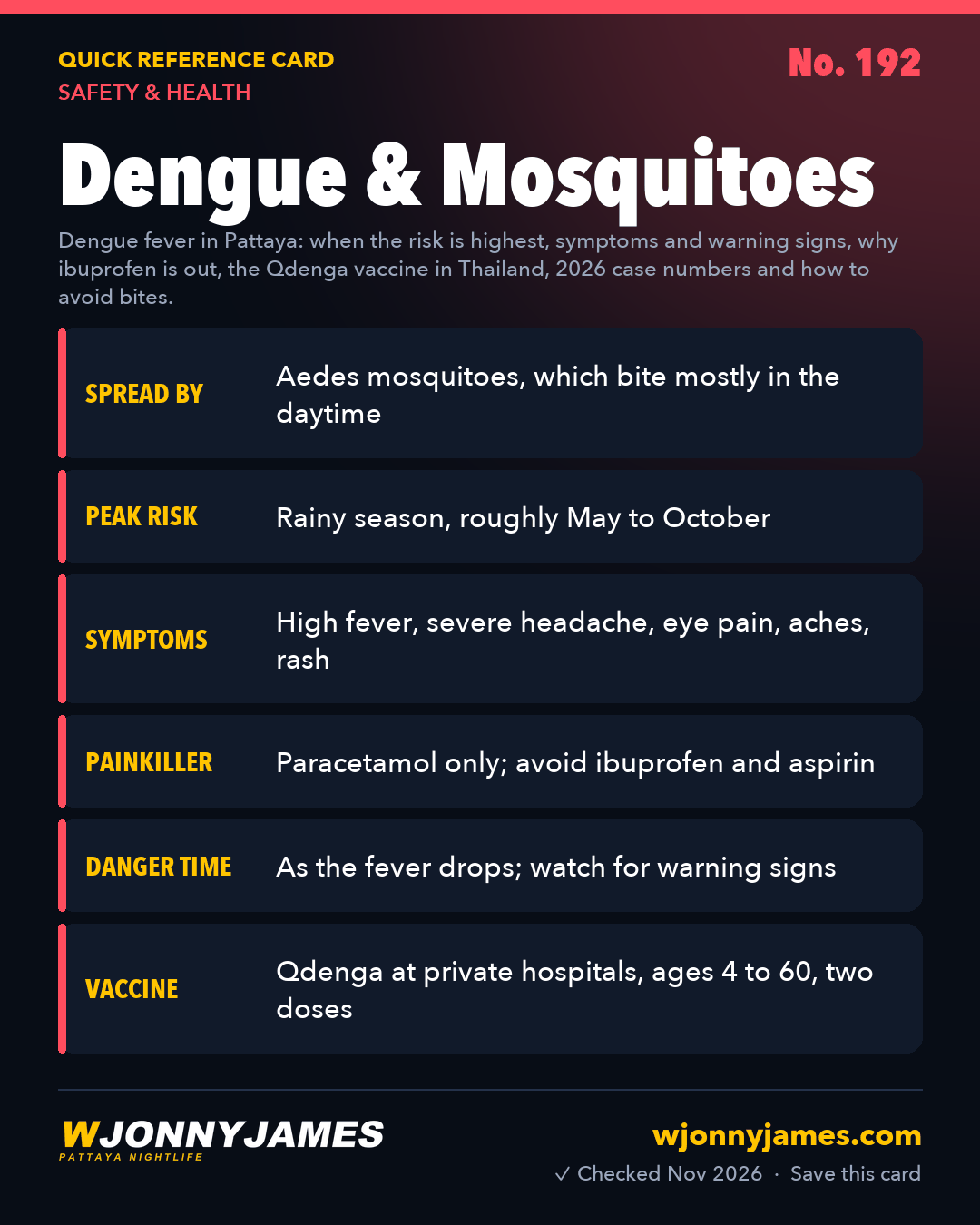
Quick answer: Dengue is a virus spread by Aedes mosquitoes, which bite mostly in the daytime, and it’s common across Thailand, including Pattaya, especially in the rainy season. Most people get a few rough days of high fever, headache and aches, then recover in one to two weeks. A small number develop severe dengue, usually just as the fever drops, so that’s the time to watch closely. If you get a high fever here, see a doctor and ask about a dengue test, take paracetamol rather than ibuprofen or aspirin, and drink plenty. A vaccine, Qdenga, is sold at private hospitals in Thailand for ages 4 to 60. This page is general information; ask a doctor about your own case.
At a glance
| What | Detail |
|---|---|
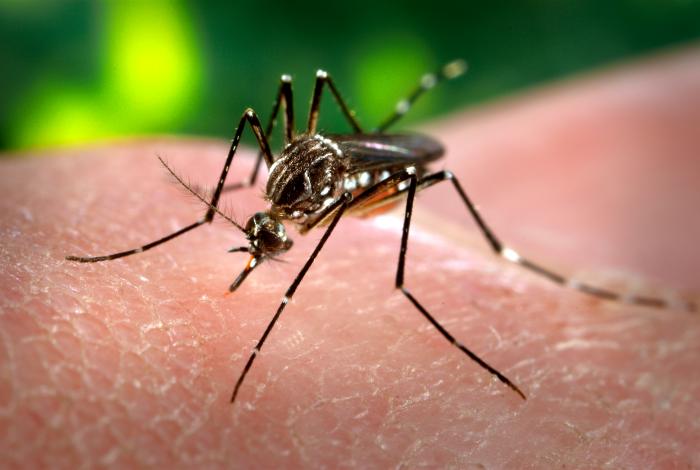
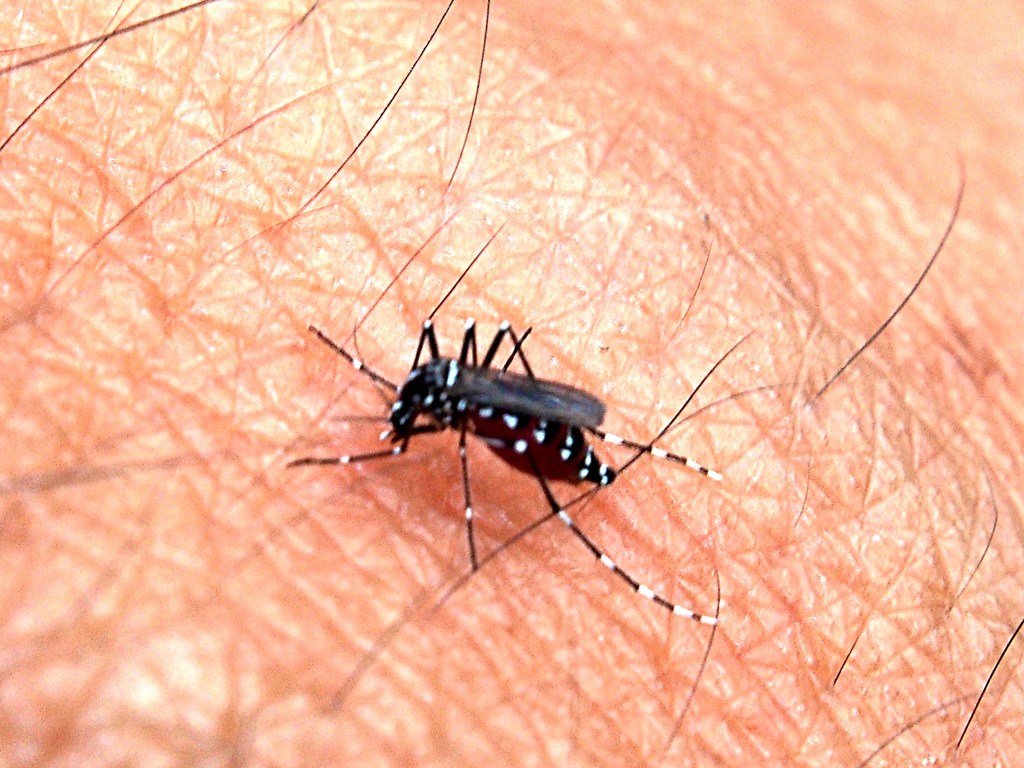
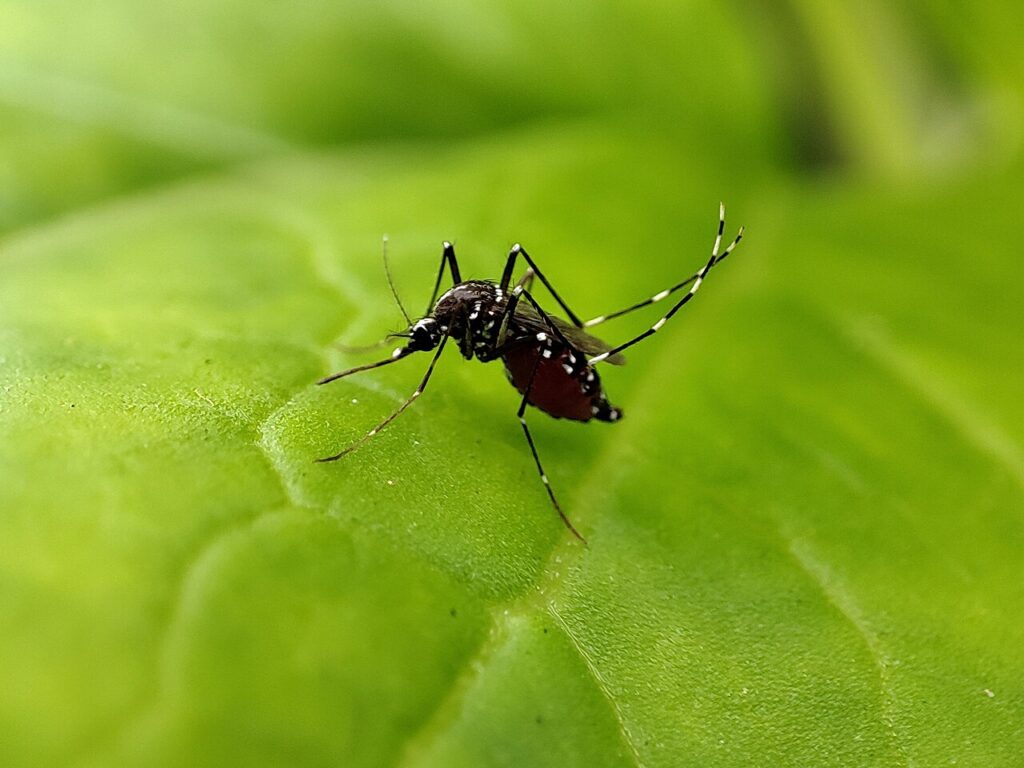
| Spread by | Aedes mosquitoes, active mainly during the day |
| Symptoms start | 4 to 10 days after the bite, lasting 2 to 7 days |
| Painkiller | Paracetamol only; avoid ibuprofen, aspirin and other NSAIDs |
| Watch closely | When the fever drops: warning signs often appear then |
| Second infection | Higher risk of severe dengue |
| Season | Cases rise in the rainy season, roughly May to October |
| 2026 so far | 21,620 cases and 31 deaths nationwide, 1 January to 19 August (DDC) |
| Vaccine | Qdenga, two doses 3 months apart, at private hospitals |
Symptoms
According to the WHO, most people with dengue have mild symptoms or none at all. When it does show, the classic signs are:
- A sudden high fever, often around 40°C.
- Severe headache and pain behind the eyes.
- Muscle and joint pain, nausea, vomiting and swollen glands.
- A rash, often a few days in.
Because symptoms start 4 to 10 days after the bite, you can fall ill after you get home. Tell your doctor you’ve been in Thailand.
Warning signs: go to hospital straight away
These often appear after the fever has gone down, when people think they’re getting better:
- Severe stomach pain or persistent vomiting.
- Bleeding gums or nose, or blood in vomit or stool.
- Fast breathing, intense thirst, pale cold skin.
- Feeling very tired, restless or weak.
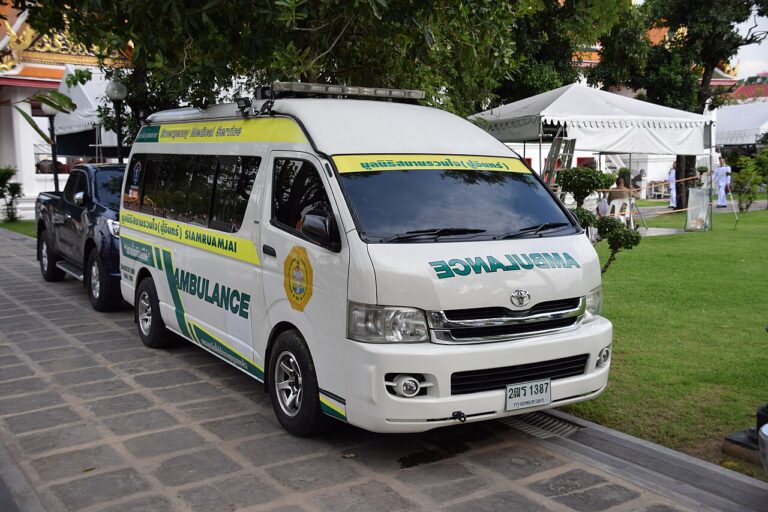
Call 1669 for an ambulance if needed. See emergency numbers.
If you think you have dengue
- Thailand’s Department of Disease Control (DDC) advises going to hospital for a fever above 38.5°C that lasts more than two days, especially with headache, pain behind the eyes, a red face or tiny bleeding spots, rather than treating yourself.
- A doctor can confirm dengue with a blood test and will usually check your platelet count over several days. See hospitals and clinics.
- There’s no specific medicine for dengue. Treatment is rest, fluids and monitoring.
- Take paracetamol for fever and pain. Avoid ibuprofen, aspirin and other anti inflammatories, which can increase bleeding risk. See pharmacies and medicines.
- Drink plenty of water and oral rehydration salts.
- Hospital stays for dengue can be expensive at private hospitals. See travel insurance and hospital costs.
Dengue in 2026
- The DDC reported 21,620 cases and 31 deaths across Thailand from 1 January to 19 August 2026, below the level for the same period in 2025.
- Cases usually rise with the rains, roughly May to October, and the DDC repeats its warnings every rainy season.
- We couldn’t find a 2026 figure for Chonburi province or Pattaya alone. Pattaya’s risk follows the season, not the headlines: protect yourself all year.
The dengue vaccine in Thailand
- Qdenga is available at private hospitals in Thailand. Bangkok Hospital lists it for people aged 4 to 60, as two injections three months apart. No blood test is needed first.
- It isn’t for pregnant or breastfeeding women or people with weakened immune systems. If you’ve recently had dengue, the advice is to wait at least six months.
- The WHO currently recommends it only for children aged 6 to 16 in high transmission areas. Advice for adults and travellers differs by country, so talk it through with a travel clinic or doctor.
- 2026 hospital offers we checked (outside Pattaya) ran from about ฿2,800 per dose plus doctor and hospital fees, to about ฿5,000 for both doses with fees included. Some offers are only for Thai citizens and foreign residents, so ask a Pattaya hospital for its own price.
- There’s no free national programme yet. A government trial of a vaccine for children aged 7 to 10 started in Nakhon Phanom in April 2025 and is expected to run about three years.
- Because the second dose comes three months after the first, the vaccine suits people who live here or plan ahead. See travel vaccinations.
Avoiding bites
- The mosquitoes that spread dengue bite mostly during the day, with peaks in the early morning and late afternoon. Don’t save repellent for the evening.
- Use repellent with DEET or picaridin, sold at 7-Eleven and pharmacies. Put sun cream on first, repellent on top.
- Wear light long sleeves and trousers when you can, especially in gardens, parks and near water.
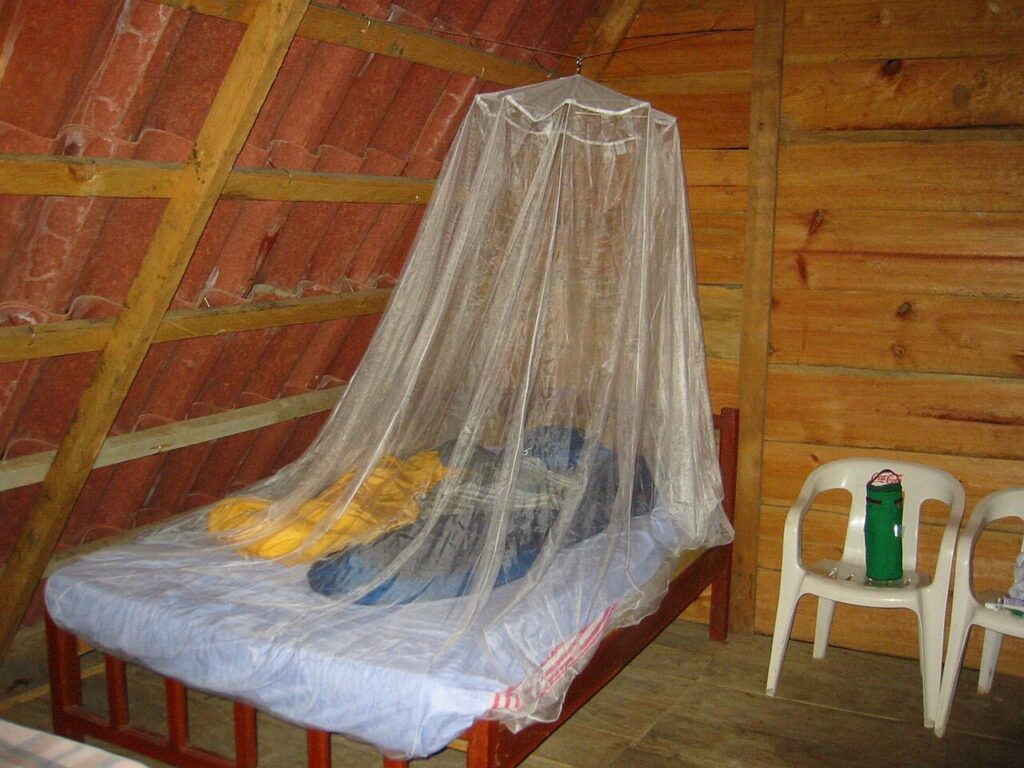
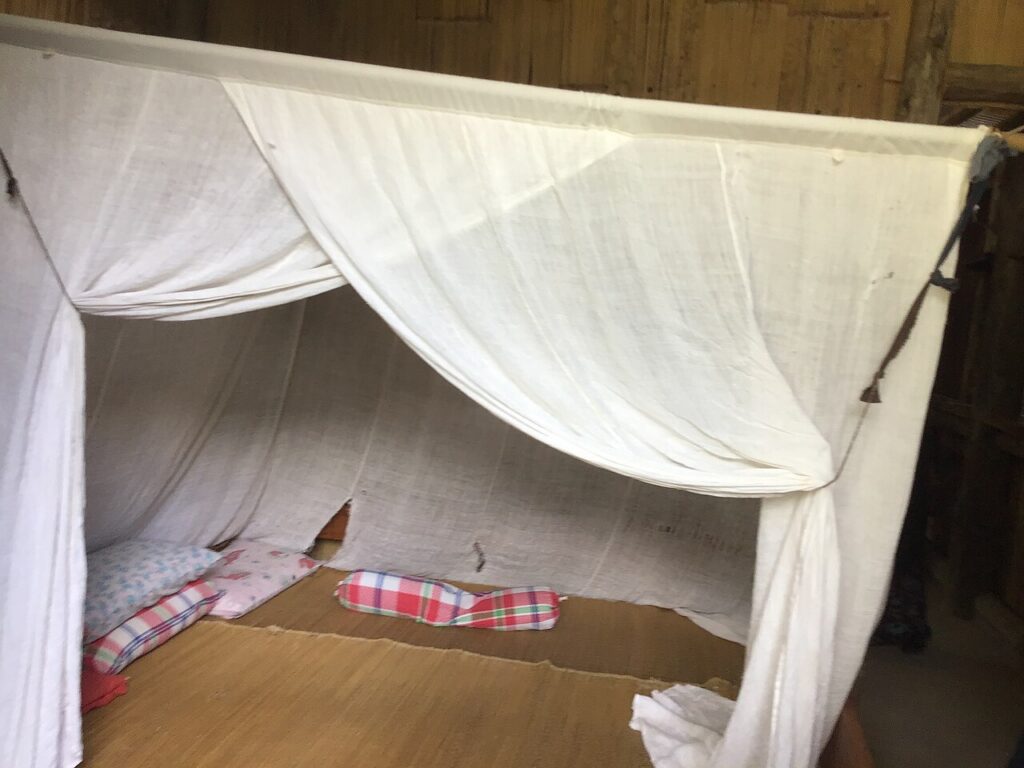
- Aircon, window screens or a mosquito net keep them out at night.
- Mosquitoes breed in clean standing water. Empty plant pot saucers, buckets and anything that collects rain, and cover water jars. The DDC’s advice is to clear rubbish and containers around the home.
- See rainy season survival and flood season.
Pro tip: At home, a mosquito trap and a mosquito killer lamp run all the time in my condo and have made a big difference. I also tried a mosquito net: it keeps them out, but it needs a big room, and the traps worked better for me. (I earn a small commission from Shopee if you buy through my links, at no extra cost to you. Affiliate disclosure.)
Common questions
Is dengue common in Pattaya? Dengue is found across Thailand, including Chonburi province, and cases rise in the rainy season. Most visitors never catch it, but it’s worth using repellent every day.
What should I take for a fever in Thailand? Paracetamol. Avoid ibuprofen and aspirin until a doctor has ruled out dengue.
Can I get the dengue vaccine in Pattaya? Private hospitals in Thailand offer Qdenga for ages 4 to 60. Call the hospital first to check stock, price and whether the offer applies to foreigners.
Can you get dengue twice? Yes. There are four types of the virus, and a second infection carries a higher risk of severe dengue.
When is dengue season in Thailand? Mainly the rainy season, roughly May to October, but cases happen all year.
Sources
Checked 13 November 2026: WHO, Dengue and severe dengue (symptoms, warning signs, paracetamol, vaccine recommendation, August 2025); ASEAN Now, 27 August 2026 (DDC figures and advice); Bangkok Hospital, Qdenga vaccine 2026 (ages, doses, who shouldn’t have it, July 2026); The Thaiger, June 2025 (DDC vaccine trial). Vichaiyut Hospital, dengue vaccine package and Ratchaphruek Hospital, Qdenga offer (2026 prices, which change often). We didn’t find the DDC’s own English page for the 2026 figures.
Related
Related pages

Ride along with Jonny
Every guide page comes from the nightly rides through Pattaya. Watch them, ask questions in the community, or help keep the camera rolling.
Watch the rides Join the Telegram Leave a tip Support the rides

 ไทย
 中文
 Русский
 한국어
 Deutsch
 Français