

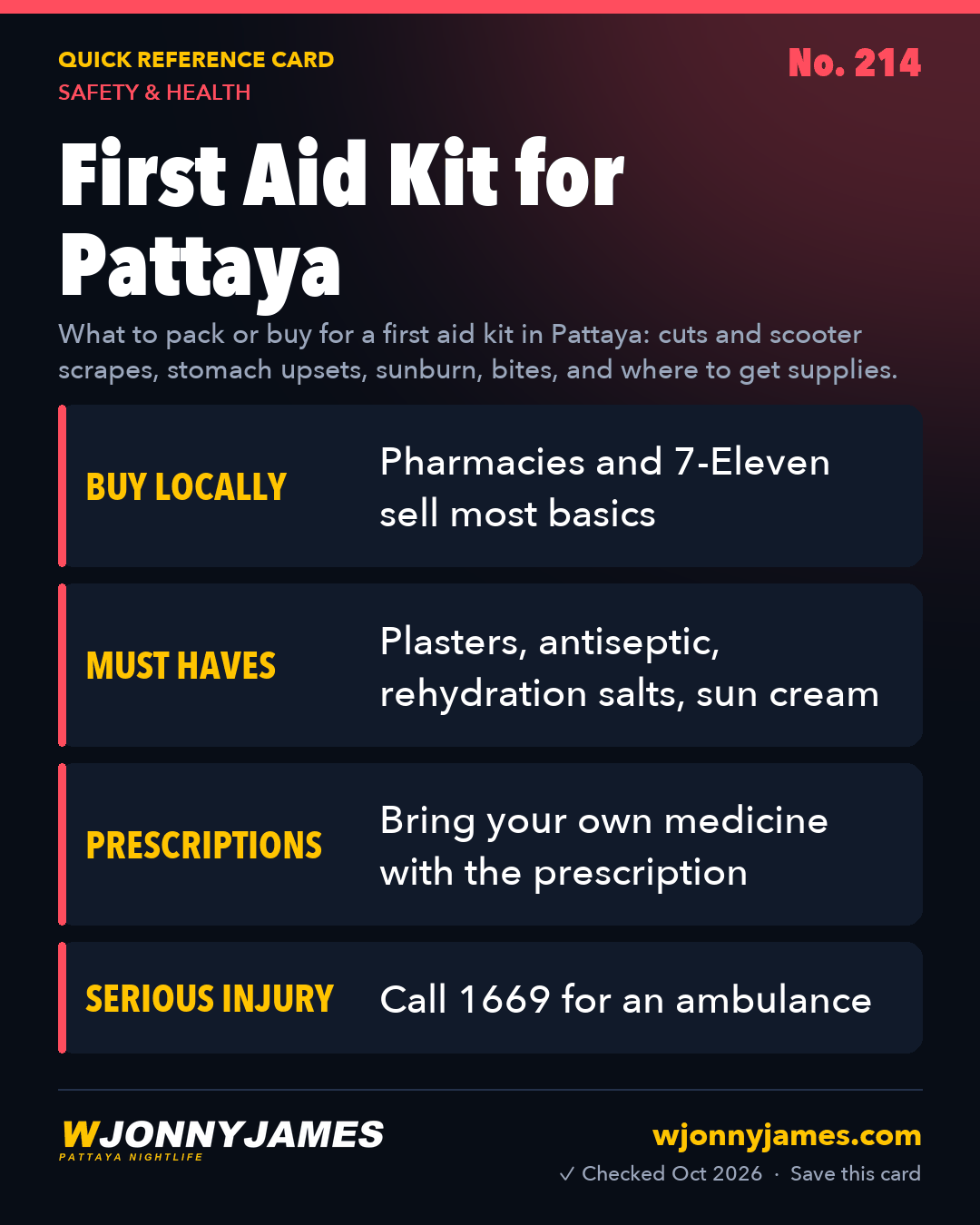
Quick answer: You don’t need to fly in with a big kit: Pattaya has a pharmacy on almost every main road, and 7-Eleven sells plasters, painkillers and rehydration drinks. What helps is a small kit you already have when something happens: dressings and antiseptic for cuts and scooter scrapes, oral rehydration salts for heat and stomach upsets, sun cream, insect repellent and bite cream, and enough of your own regular medicine. In Thailand, keep paracetamol rather than ibuprofen or aspirin for fevers, because dengue is common. Bring prescription medicines in their original packs with the prescription, no more than 30 days’ supply unless you have checked the rules. This page is general information; ask a pharmacist or doctor about your own needs.
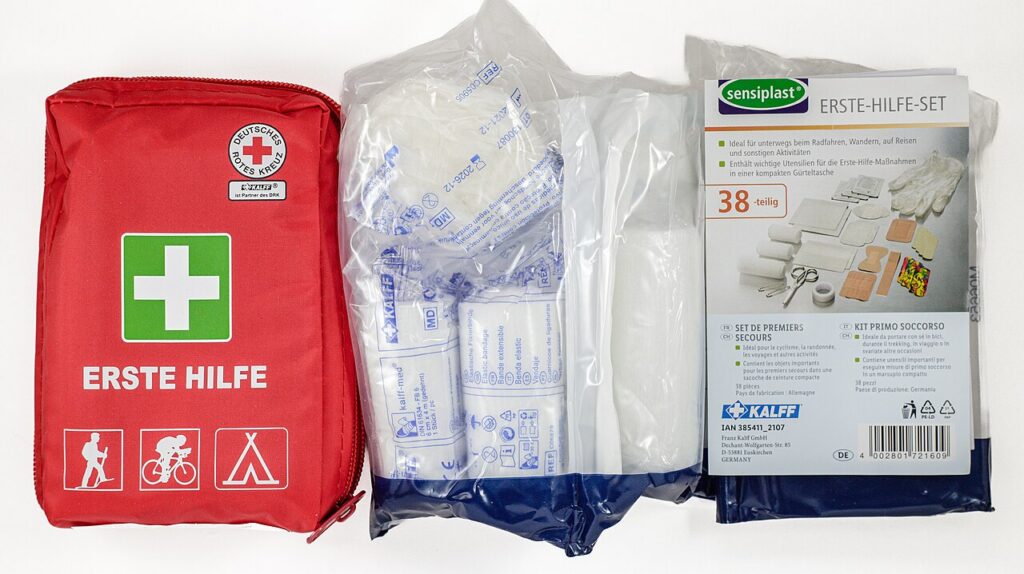
At a glance
| Item | Why in Pattaya | Where to get it |
|---|---|---|
| Plasters (waterproof) and sterile dressings | Small cuts get infected quickly in heat and humidity | Pharmacies, 7-Eleven |
| Antiseptic liquid or wipes | Cleaning cuts and road rash | Pharmacies |
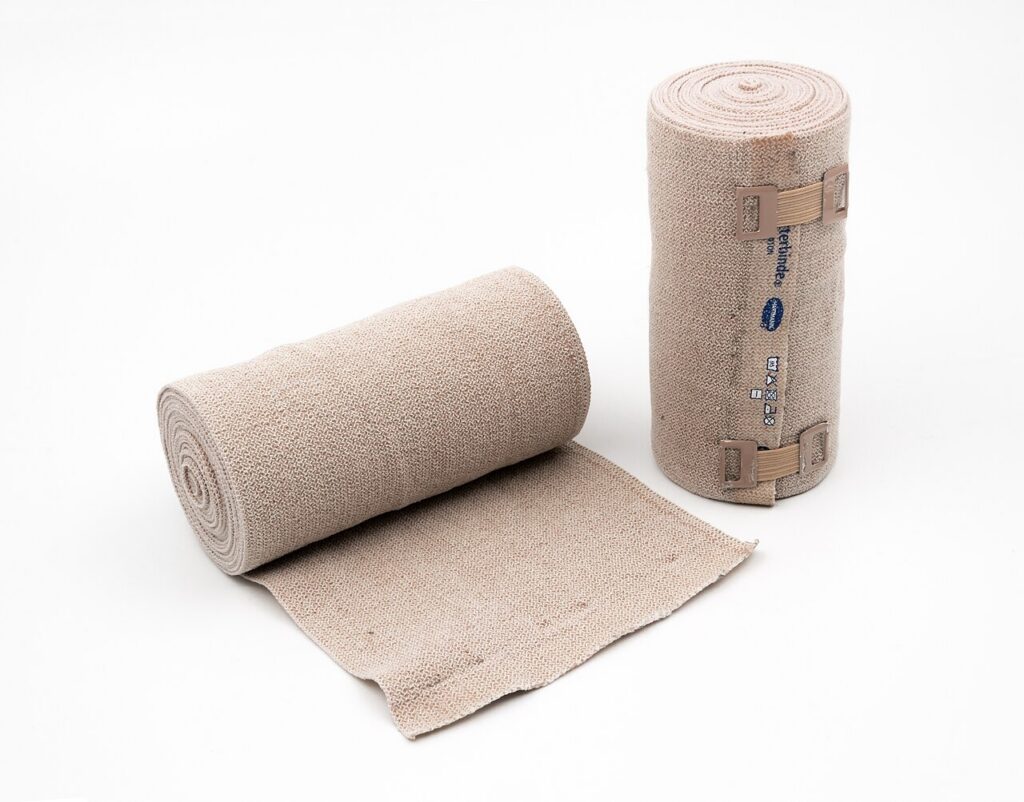
| Bandage, tape, small scissors | Holding dressings on, sprains | Pharmacies |
| Disposable gloves | Cleaning someone else’s wound | Pharmacies |
| Oral rehydration salts | Heat, sweating, diarrhoea, vomiting | Pharmacies; 7-Eleven sells rehydration drinks |
| Paracetamol | Pain and fever; the safer choice if dengue is possible | Pharmacies; 7-Eleven sells painkillers |
| Sun cream SPF 30+, after sun or aloe gel | Midday UV is often “extreme” | Pharmacies, Boots, Watsons |
| Insect repellent, bite cream or antihistamine | Mosquitoes, including dengue mosquitoes | Pharmacies |
| Tweezers | Splinters and small sea urchin spines | Pharmacies |
| Your regular medicines | Brands differ here, and some are controlled | Bring from home |
Cuts and scooter scrapes
Road rash from a scooter fall is common.
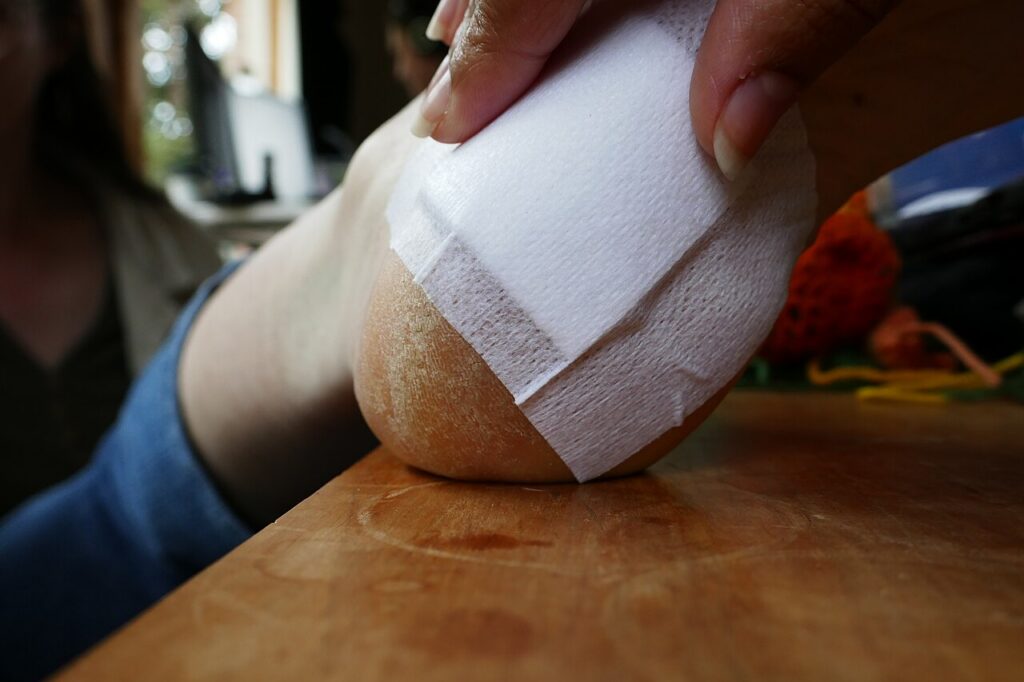
- Wash your hands or put on gloves, then rinse the wound well with clean running water to get the grit out.
- Cover it with a sterile dressing and change it daily, or when it gets wet or dirty.
- See a clinic if a wound is deep, gaping, still full of dirt, on the face or a joint, or shows signs of infection: spreading redness, swelling, pus, heat or fever.
- Ask a doctor whether you need a tetanus booster, especially if yours isn’t up to date. See travel vaccinations.
- After any crash, check for head injury first. Call 1669 if someone was knocked out, is confused or can’t move a limb. See road accidents and renting a scooter.
Heat and stomach
- Oral rehydration salts are the most useful thing in a Pattaya kit. They replace the salts lost through sweating, diarrhoea and vomiting, which plain water doesn’t. See heat, hangovers and dehydration.
- For diarrhoea, rehydration comes first. Ask a pharmacist before using anything to stop it, and see a doctor if there is blood or a high fever. See food poisoning.
- Paracetamol for pain and fever. Dengue is common in Thailand, and doctors advise avoiding ibuprofen and aspirin until it has been ruled out. See dengue.
Sun, bites and the sea
- High factor sun cream and after sun or aloe gel. See heat and sun safety.
- Insect repellent, especially in the day, when dengue mosquitoes bite, and a cream or tablet for itchy bites.
- For jellyfish stings, rinse with vinegar if available and don’t rub or use fresh water. Some beaches keep vinegar stations. Water shoes help on rocks with sea urchins. See jellyfish and sea creatures and beach safety.
- Dog, cat or monkey bite or scratch: wash it at once with soap and running water for about 15 minutes, then go to a hospital or clinic the same day for rabies shots, even if the animal looks healthy. See stray dogs and rabies.
Your own medicine
- Thai embassies say you can bring up to 30 days of prescribed use of ordinary medicines for yourself, in the original labelled packaging, with a doctor’s letter or prescription.
- Some medicines are controlled in Thailand, including many strong painkillers, sleeping pills, anti anxiety and ADHD medicines. They may need a Thai FDA permit, applied for online at least two weeks before you travel. Details are on pharmacies and medicines.
- Carry a list of your medicines with their generic names, since brand names often differ here, and any allergies.
- Keep a few days’ supply in your hand luggage in case your bag is delayed.
Keeping the kit useful
- A small zip bag or waterproof box is enough for a day bag or scooter; keep a fuller kit at your hotel or condo.
- Check the storage temperature on medicine labels. A parked car or a scooter seat box gets very hot in the sun.
- Check dates every few months and replace what you used.
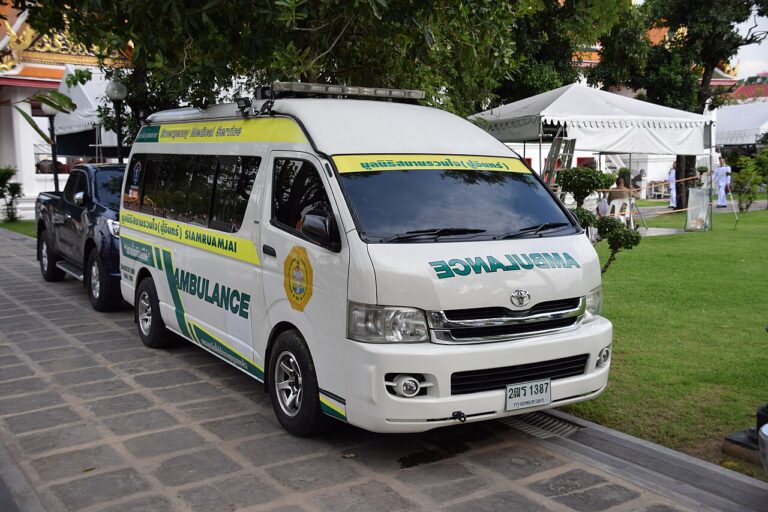
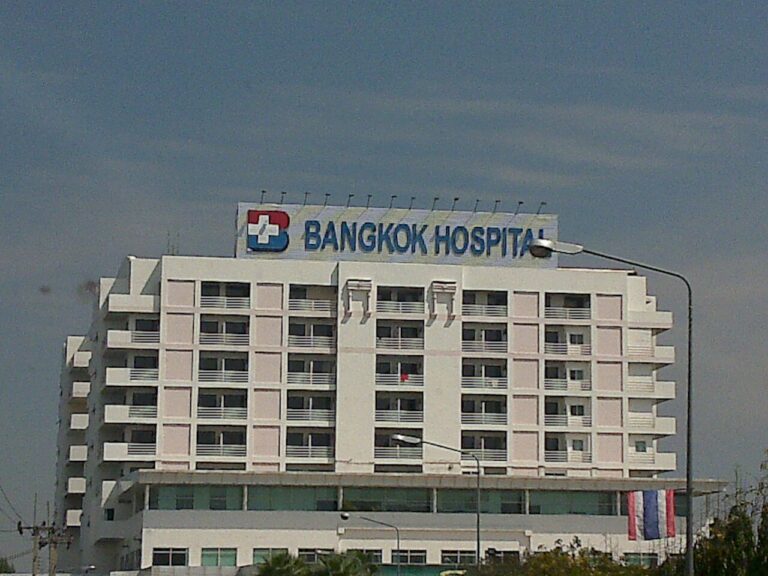
- Save emergency numbers in your phone: 1669 for an ambulance, 1155 for the Tourist Police, 1719 for Bangkok Hospital Pattaya’s ambulance.
Where to buy
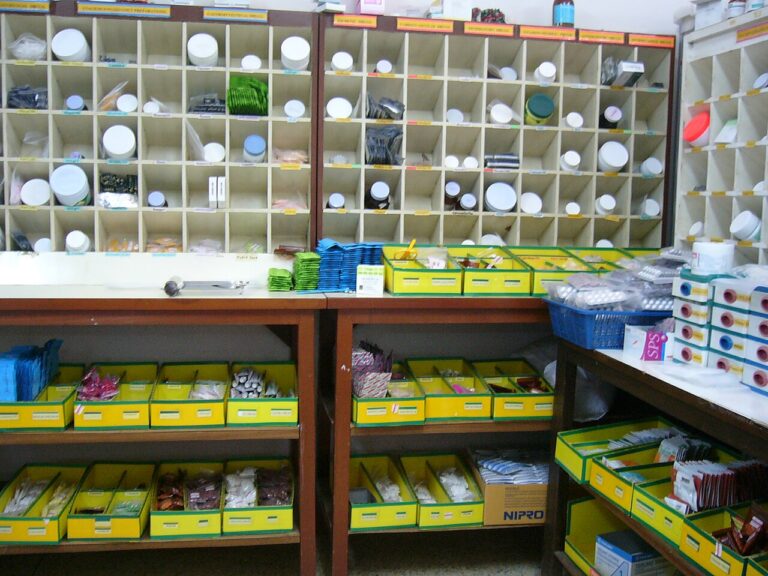
- Local pharmacies sell almost everything on this list, and the pharmacist can suggest what to use. Photos of the packaging from home help. See pharmacy phrases.
- Boots and Watsons, mostly in the malls, have clear price tags and familiar brands.
- 7-Eleven sells plasters, painkillers and rehydration drinks.
- Many pharmacies deliver through LINE. See pharmacies and medicines.
When it is serious
Call 1669 for an ambulance, or go to a hospital emergency department, for heavy bleeding, a head injury, chest pain, trouble breathing, a severe allergic reaction or signs of heatstroke. See emergency numbers and hospitals and clinics.
Common questions
Should I bring a first aid kit to Thailand? A small one is worth it, mainly for your own medicines and a few dressings. Most other things are cheap and easy to buy in Pattaya.
Can I buy rehydration salts in Pattaya? Yes, at any pharmacy, in sachets you mix with clean water. 7-Eleven sells ready made rehydration drinks.
Why not ibuprofen in Thailand? It isn’t banned, but dengue is common here, and with dengue ibuprofen and aspirin can raise the risk of bleeding. Doctors advise paracetamol for a fever until dengue is ruled out.
How much medicine can I bring into Thailand? Up to 30 days of prescribed use of ordinary medicines, in original packs with the prescription. Controlled medicines may need a Thai FDA permit.
Sources
Checked 13 November 2026: Royal Thai Embassy London, bringing medications to Thailand; St John Ambulance, what to put in a first aid kit; Pattaya Mail, Department of Health summer advisory including bite first aid (26 February 2026). Dengue, sea sting and pharmacy details follow our linked pages, checked the same day. General information, not medical advice.
Related pages
Ride along with Jonny
Every guide page comes from the nightly rides through Pattaya. Watch them, ask questions in the community, or help keep the camera rolling.
Watch the rides Join the Telegram Leave a tip Support the rides
 ไทย
 中文
 Русский
 한국어
 Deutsch
 Français