

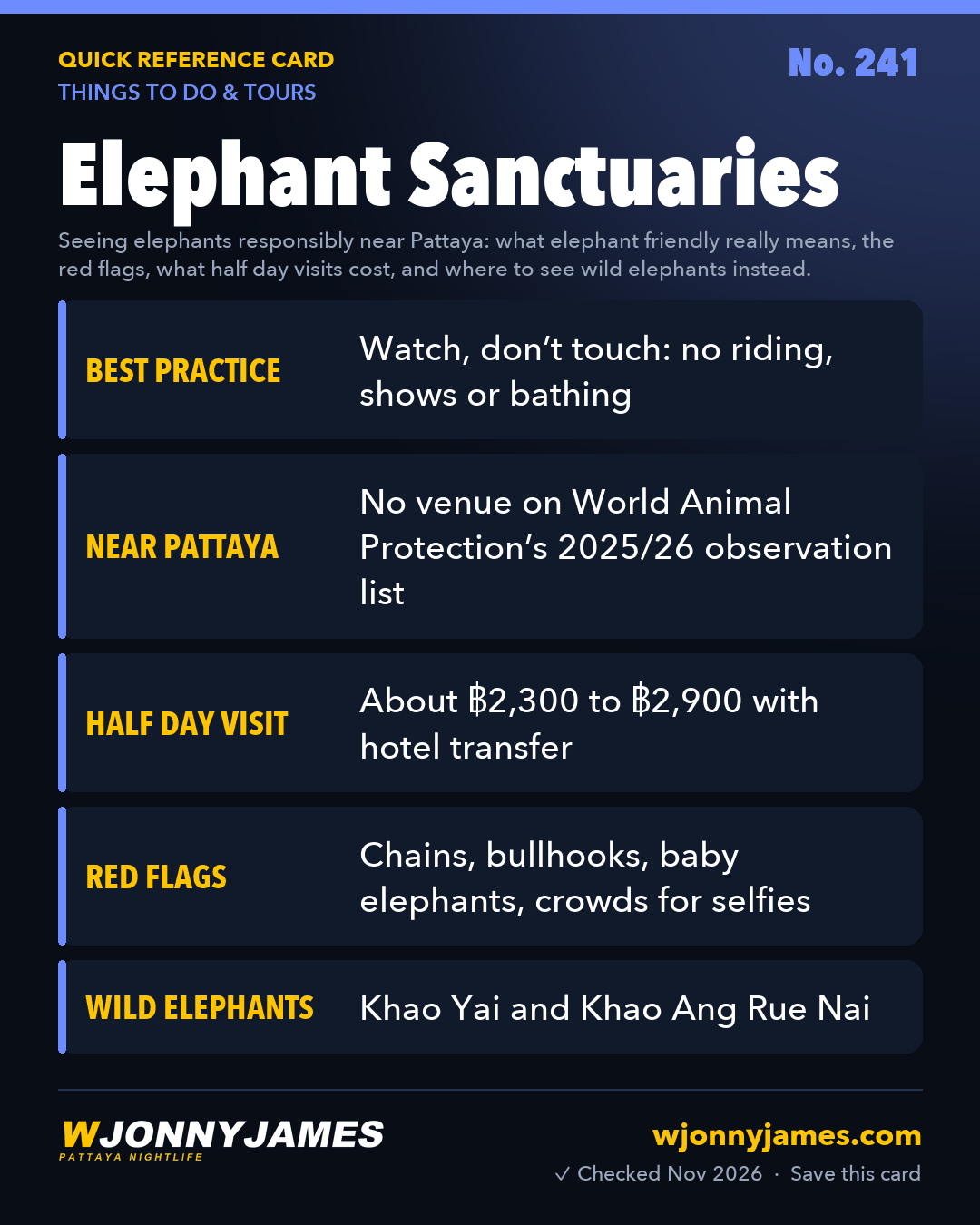
Quick answer: Several places around Pattaya sell elephant experiences, and they vary a lot. Welfare groups say the best choice is a venue where you watch elephants from a distance as they roam, graze and socialise, with no riding, no shows and no bathing or washing with visitors. Several venues near Pattaya now advertise “no riding”, but some still offer feeding, mud baths or bathing, which World Animal Protection does not count as elephant friendly. Half day trips from Pattaya with a hotel transfer and a meal are listed at about ฿2,300 to ฿2,900 per adult. If you can, the best way to see elephants is in the wild, in a national park.
At a glance
| What | Detail |
|---|---|
| Best practice | Observation only: elephants free to move, visitors at a distance |
| Avoid | Riding, shows, painting, bathing or washing, selfies with elephants |
| Grey area | Hand feeding, sometimes over a barrier |
| Half day price | About ฿2,300 to ฿2,900 with transfer and a meal, on booking sites |
| Shorter sessions | Feeding only and feed and bathe programmes cost less |
| Pickup | Usually early morning from Pattaya and Jomtien hotels |
| In the wild | Khao Yai and Khao Ang Rue Nai, with no guaranteed sightings |
Why it matters
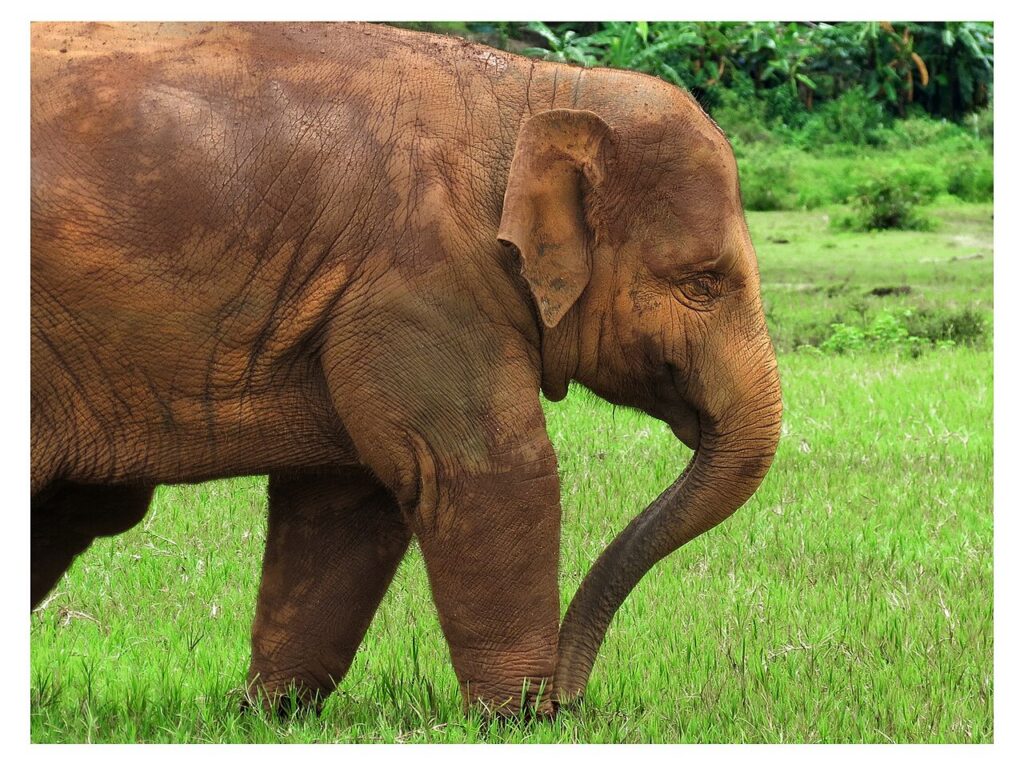
Thailand has thousands of elephants living in captivity for tourism. World Animal Protection (WAP), an international animal welfare charity, visited 236 Thai tourism venues housing 2,849 elephants between February 2024 and January 2025. In its January 2026 report it found that nearly two in three were living in poor conditions. Riding has fallen sharply, from 92% of captive elephants in 2010 to 43% in 2024, but only about 7% were in observation only venues.
The word “sanctuary” has no legal meaning. Any venue can use it, so judge a place by what visitors actually do there, not by its name.
What elephant friendly means
WAP’s guidance for tourists sums it up as “look, don’t touch”. A venue that meets its standard:
- Lets elephants move freely, choose who they spend time with and behave naturally.
- Keeps visitors at a distance, often on a platform or path, with mahouts nearby for safety.
- Offers no riding, no shows, no painting and no bathing or washing with visitors.
- Doesn’t breed elephants. Baby elephants are a warning sign, except at genuine orphanages for calves rescued from the wild.
- Doesn’t keep elephants on chains or use bullhooks, except in a real emergency.
WAP published a list of the highest scoring observational venues in Thailand for 2025/26. None of them is in Chonburi province. The nearest on that list are in Kanchanaburi and Phetchaburi, several hours’ drive from Pattaya. See Kanchanaburi.
Red flags
- Rides of any kind.
- Shows, painting or tricks.
- Bathing, washing or mud baths with tourists. WAP says these deny elephants a choice and force interaction.
- Elephants kept on chains or unable to move freely.
- Bullhooks or sharp sticks in the mahouts’ hands.
- Calves, especially without their mothers.
- Big groups crowding round for photos.
Some gardens, parks and day tours around Pattaya include elephant rides or shows in the ticket. You can skip those parts.
What it costs
Booking sites list half day no riding programmes from Pattaya at about ฿2,300 to ฿2,900 per adult, including a round trip hotel transfer, a guide and a meal. Shorter sessions focused on feeding, or feeding and bathing, cost less. Prices vary by seller, and resellers sometimes charge more than booking direct. Pickups are usually early in the morning, from hotels in Pattaya and Jomtien, and some don’t collect from private villas or Airbnb rentals. Check before you pay.
How to choose
- Read the full programme, not just the headline. If the day includes bathing, washing or a mud bath, it isn’t observation only.
- Ask how many elephants there are, where they came from, and whether the venue breeds them.
- Look at recent visitor photos and reviews rather than the venue’s own pictures. Watch for chains, hooks and calves.
- Ask whether you can watch from a distance and skip any contact activities.
- If no venue near Pattaya meets the standard you want, consider the wild options below, or a trip further away.
Seeing wild elephants
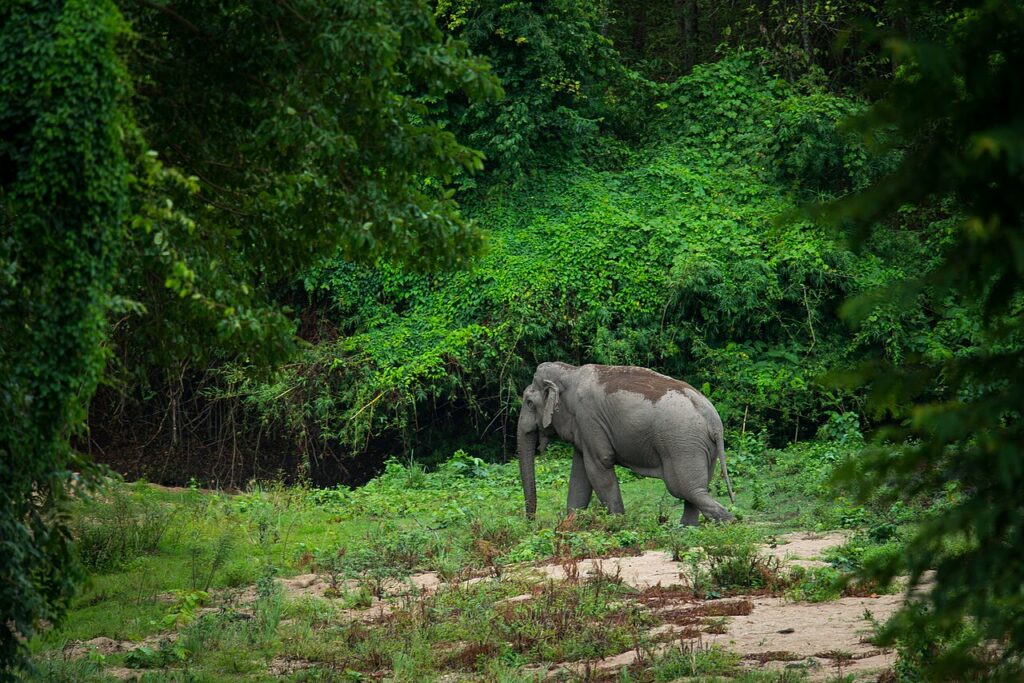
WAP says the best place to see elephants is in the wild. Two protected areas are within day trip or overnight range of Pattaya:
- Khao Yai National Park, north of Pattaya, has wild elephants as well as gibbons and hornbills. See Khao Yai trip.
- Khao Ang Rue Nai Wildlife Sanctuary in Chachoengsao province, at the western edge of the Cardamom Mountains, is a protected forest with a population of wild elephants.
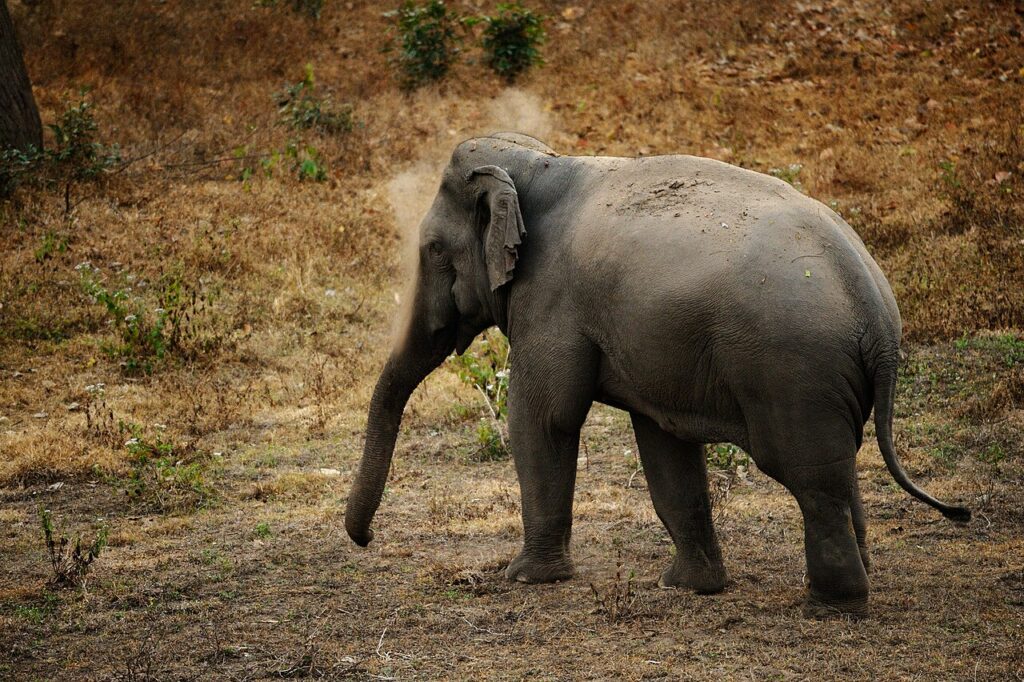
Sightings are never guaranteed. Never approach or feed wild elephants, and if one is on the road, stop, keep your distance and wait for it to move.
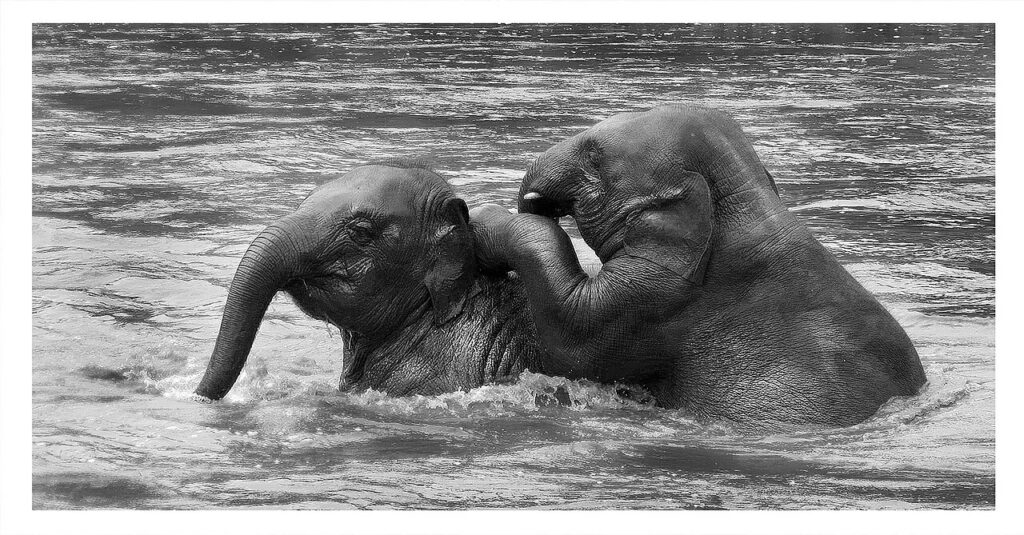
On the day
- Wear clothes and shoes you don’t mind getting muddy, plus sunscreen and insect repellent. See dengue and mosquitoes.
- Listen to the staff and keep your distance. Elephants are wild animals and can hurt people even when they seem calm.
- Don’t bring food of your own for the elephants.
Common questions
Is there an ethical elephant sanctuary in Pattaya? Several venues near Pattaya advertise no riding and no shows, but none is on World Animal Protection’s 2025/26 list of observation only venues in Thailand. Some still offer feeding, bathing or mud baths. Read the programme and choose the least contact you can.
How much is an elephant sanctuary trip from Pattaya? Booking sites list half day programmes at about ฿2,300 to ฿2,900 per adult with hotel transfer and a meal. Shorter feeding sessions cost less.
Is bathing with elephants ethical? Welfare groups say no. World Animal Protection says washing experiences deny elephants a choice and force them to interact with visitors.
Is feeding elephants OK? It is a grey area. WAP’s best practice is no direct contact, and it encourages visitors to skip hand feeding even at some of the venues on its own list that offer it over a barrier.
Where can I see wild elephants near Pattaya? Khao Yai National Park and Khao Ang Rue Nai Wildlife Sanctuary, though sightings are never guaranteed.
Sources
Checked 13 November 2026: World Animal Protection, captive elephants in Thai tourism, January 2026; World Animal Protection, list of observational elephant venues 2025/26 (PDF); World Animal Protection, elephant friendly tourist guide; Ticket2Attraction and Thai Holiday Guide (half day prices, inclusions and pickup areas for one Pattaya venue; we list them as price sources only, not a recommendation); Wikipedia, Khao Ang Rue Nai Wildlife Sanctuary. We have not visited any elephant venue near Pattaya.
Related guides
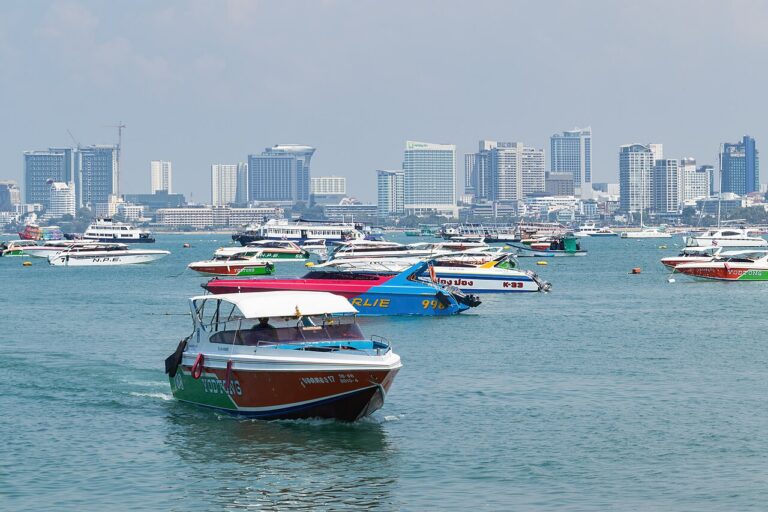 🎟️ Things to Do & ToursTours From Pattaya
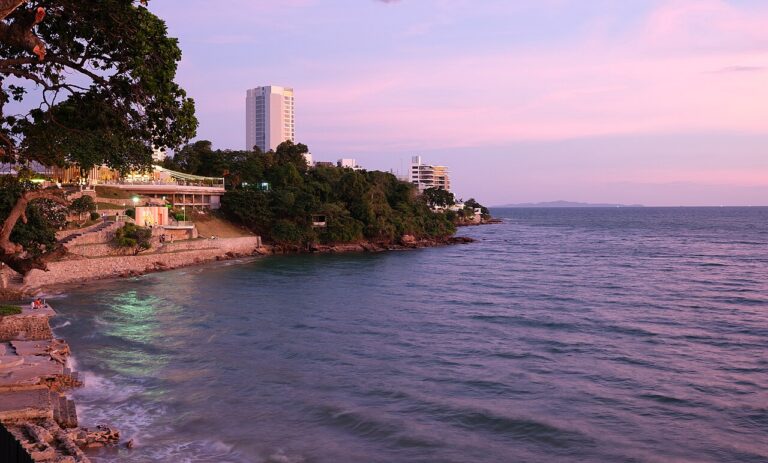 🎟️ Things to Do & ToursDay Trips From Pattaya
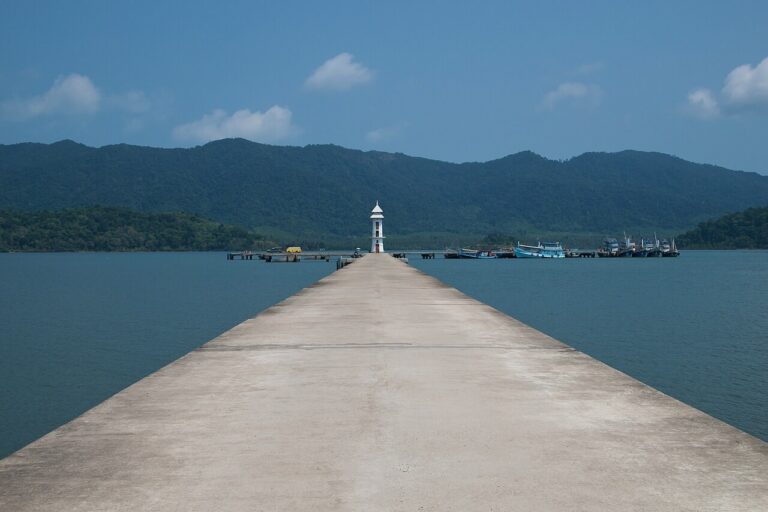 🎟️ Things to Do & ToursKoh Chang Trip from Pattaya
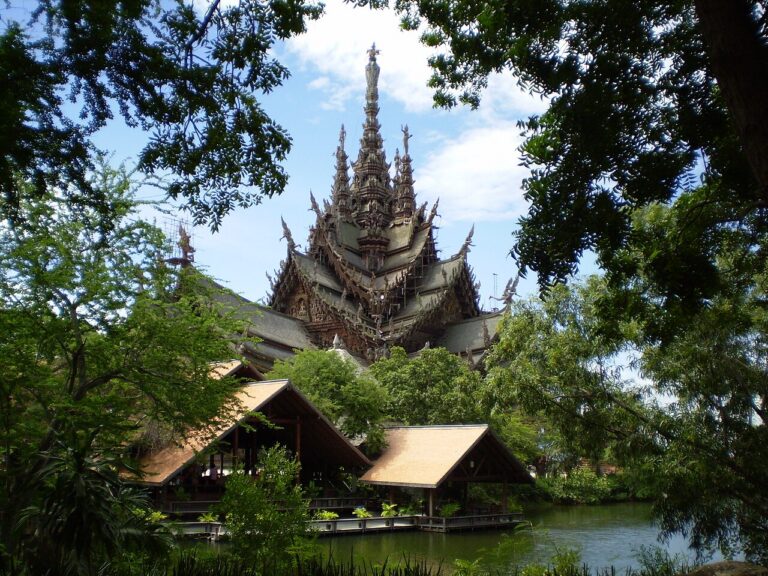 🎟️ Things to Do & ToursSanctuary of Truth
 🎟️ Things to Do & ToursChachoengsao Day Trip
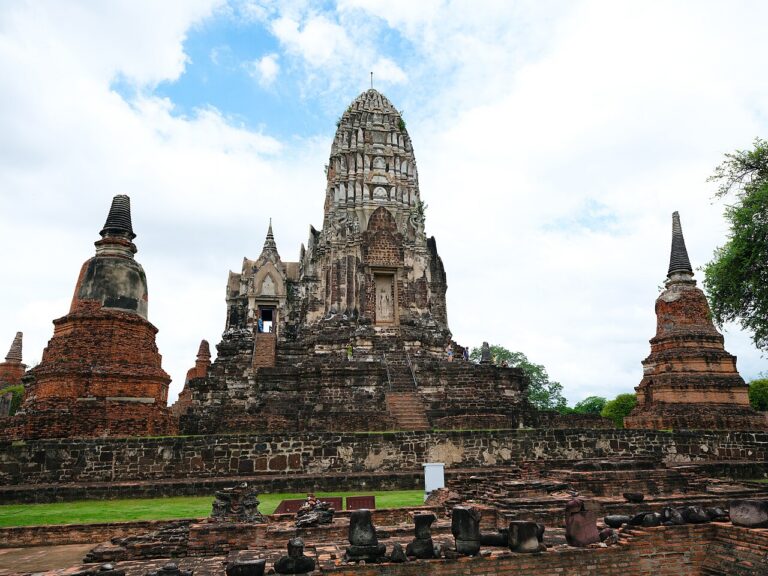 🎟️ Things to Do & ToursAyutthaya Day Trip from Pattaya
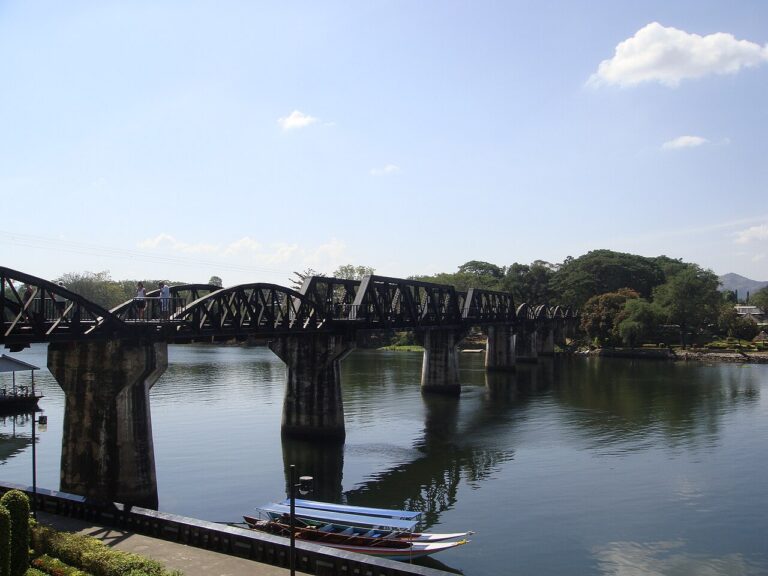 🎟️ Things to Do & ToursKanchanaburi and the River Kwai
Related pages

Ride along with Jonny
Every guide page comes from the nightly rides through Pattaya. Watch them, ask questions in the community, or help keep the camera rolling.
Watch the rides Join the Telegram Leave a tip Support the rides

 ไทย
 中文
 Русский
 한국어
 Deutsch
 Français