

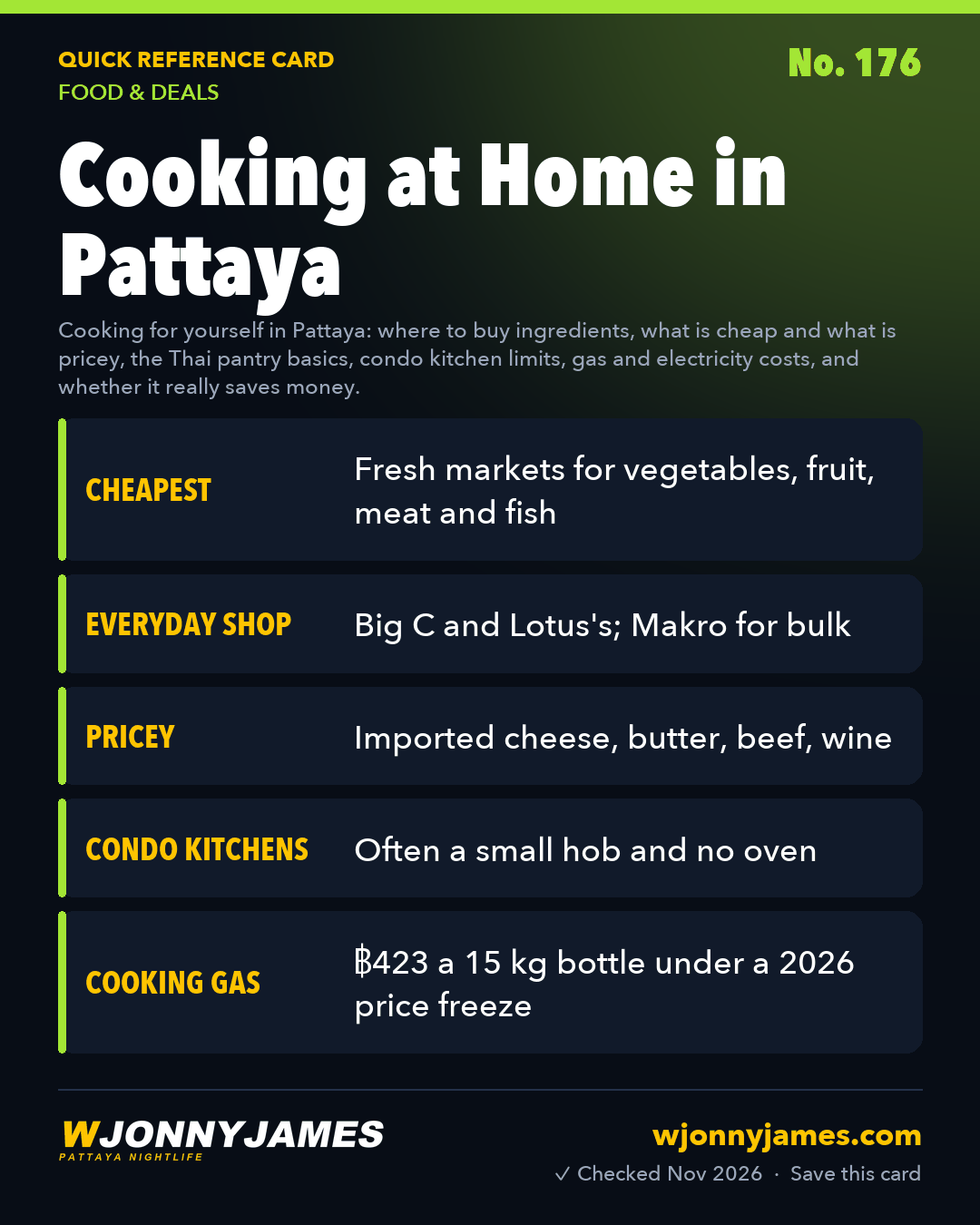
Quick answer: Cooking at home in Pattaya works best if you cook Thai style with local ingredients: buy vegetables, herbs, fruit, meat and fish at a food-deals/thai-fresh-markets/">fresh market, and rice, sauces and household basics at Big C, Lotus’s or Makro. Imported cheese, butter, beef and wine cost far more than at home, so keep them for treats. Many condo kitchens have only a small hob and no oven, and for one person street food is often as cheap as cooking. Cooking pays off for health, for families and couples, and on long stays.
At a glance
| Where | Best for | Good to know |
|---|---|---|
| Fresh markets | Vegetables, herbs, fruit, meat, fish | Cheapest; go early, bring small notes and a bag |
| Big C, Lotus’s | Rice, sauces, eggs, household basics | Lowest supermarket prices, small imported range |
| Makro | Bulk buys, freezer stocking, kitchen kit | Restaurant sizes; better for families |
| Tops, Foodland | A weekly shop with some imported lines | Mid range prices; Foodland is open 24 hours |
| Villa Market, Friendship | Cheese, deli, Western brands | The widest imported range, at the highest prices |
| 7-Eleven, FamilyMart | Eggs, milk, bread, a quick top up | On almost every corner |
| Grab, LINE MAN, supermarket apps | Groceries to your door | Handy on hot or rainy days |
Fresh markets
Fresh markets are the cheapest place for vegetables, herbs, fruit, meat and fish, and the only place to find some Thai herbs fresh. Easy ones to try are the Soi Buakhao market and the Wat Chai Mongkhon market in South Pattaya; for seafood, the Lan Pho market in Naklua. Go early, when meat and fish are freshest and the air is cooler, bring small notes, and point and ask “tao rai?” (how much?). Prices are per kilo, per piece or per bag, and mostly fixed. Full details are on fresh markets and the Naklua fish market.
Supermarkets
- Big C and Lotus’s are the everyday choice: everything for Thai cooking at fair prices, plus pans, rice cookers and cleaning supplies.
- Makro sells in bulk and restaurant sizes. It suits families and people stocking a freezer more than a solo shop.
- Tops and Foodland are good mid range supermarkets with some imported food.
- Villa Market and Friendship stock the most imported food: cheese, cereals, European pasta, deli meats and wine.
See supermarkets and groceries for branches, opening hours and delivery.
Pro tip: Lemon pepper wings are hard to find in Pattaya, and the few places that have them charge a lot. I keep a jar of MasterFoods lemon pepper and make my own. (I earn a small commission from Shopee if you buy through my links, at no extra cost to you. Affiliate disclosure.)
Cheap and pricey
| Usually cheap | Usually pricey |
|---|---|
| Jasmine rice, noodles, eggs | Imported cheese and butter |
| Chicken and pork | Imported beef and lamb |
| Local vegetables and herbs | Wine and spirits |
| Tropical fruit in season | Western breakfast cereals |
| Tofu, local fish, squid | Olive oil and European pasta sauces |
Cheese, wine and spirits carry heavy taxes, which is why the gap is so big. Thai brands of milk, yoghurt and bread are fine for everyday use, but many people from the West find they don’t taste quite the same. See Western food.
Thai pantry basics
- Sauces: fish sauce (nam pla), oyster sauce, light soy sauce, and a bottle of chilli sauce.
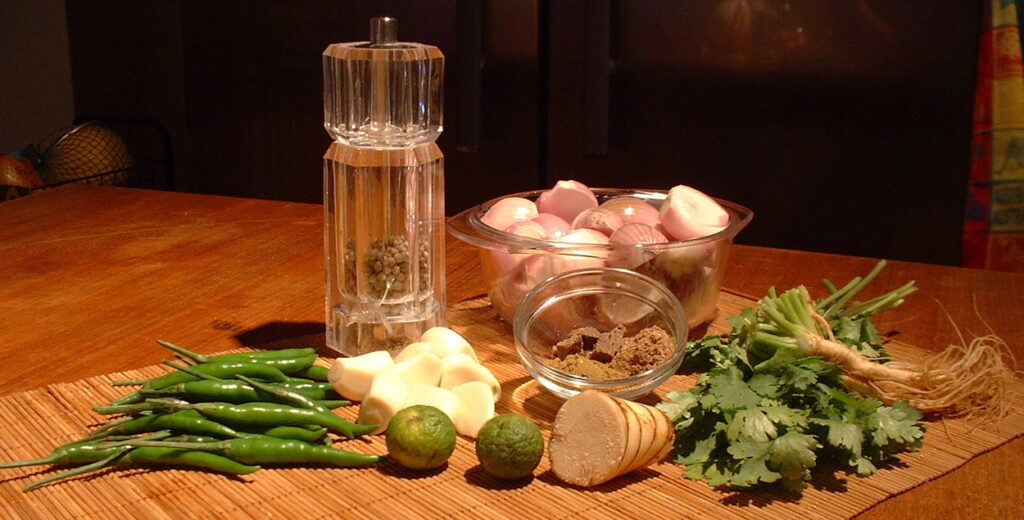
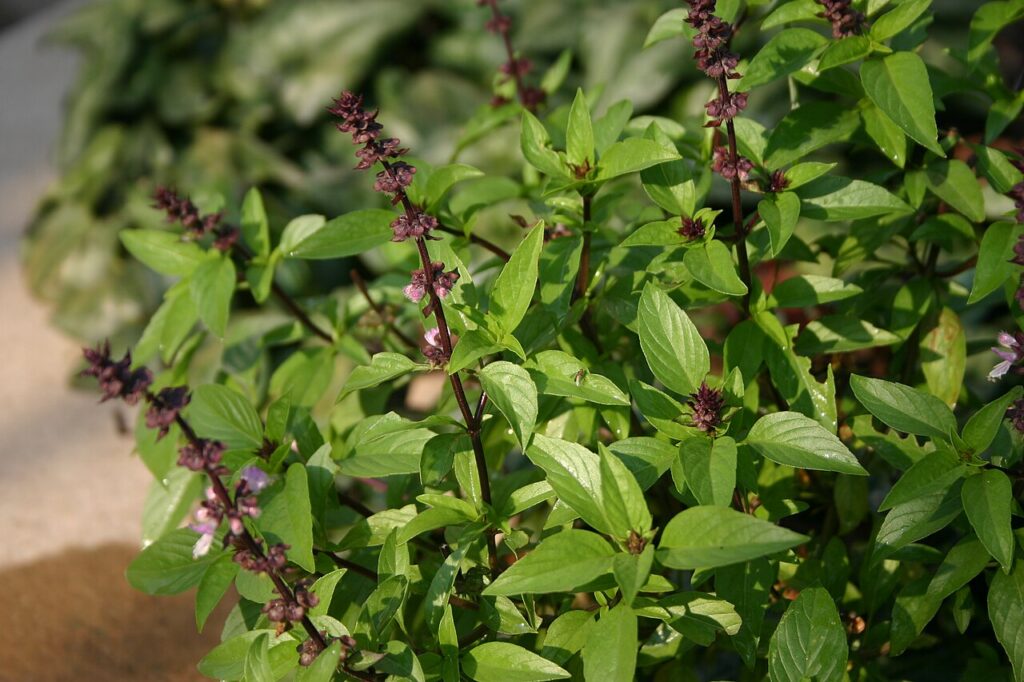
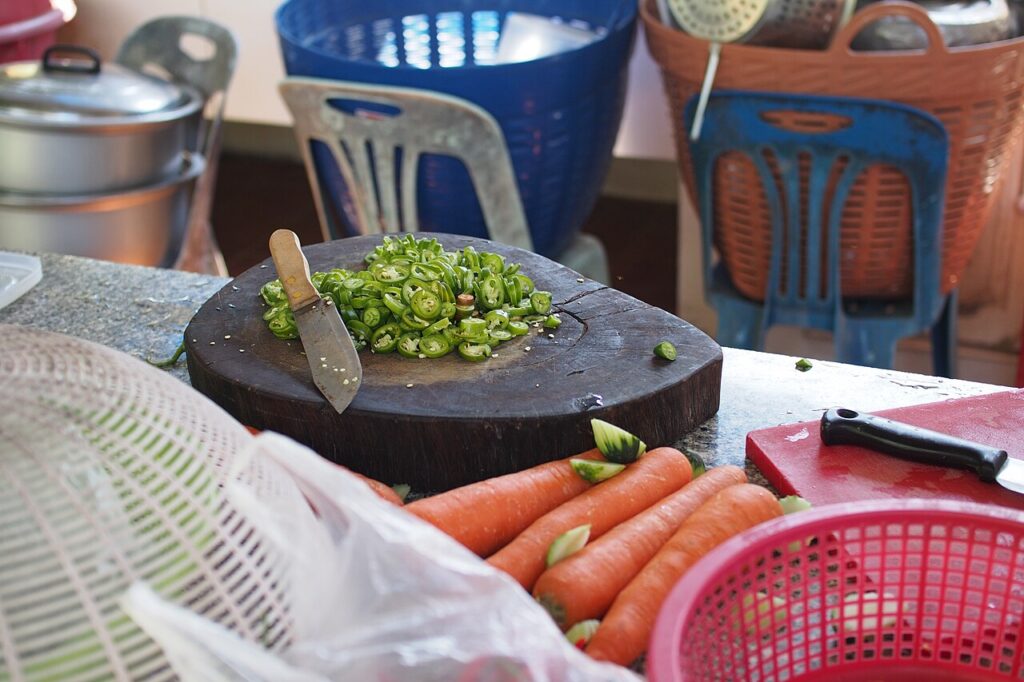
- Fresh: garlic, shallots, small bird’s eye chillies, limes, lemongrass, galangal and kaffir lime leaves.
- Herbs: holy basil (kra pao) for stir fries, Thai basil (horapha) for curries.
- Dry goods: jasmine rice, rice noodles, palm sugar, and curry paste, sold by weight at markets or in packets.
- Kit: a rice cooker and a wok or deep frying pan cover most Thai cooking.
Easy first dishes
- Pad kra pao: minced pork or chicken stir fried with garlic, chilli and holy basil, with rice and a fried egg.
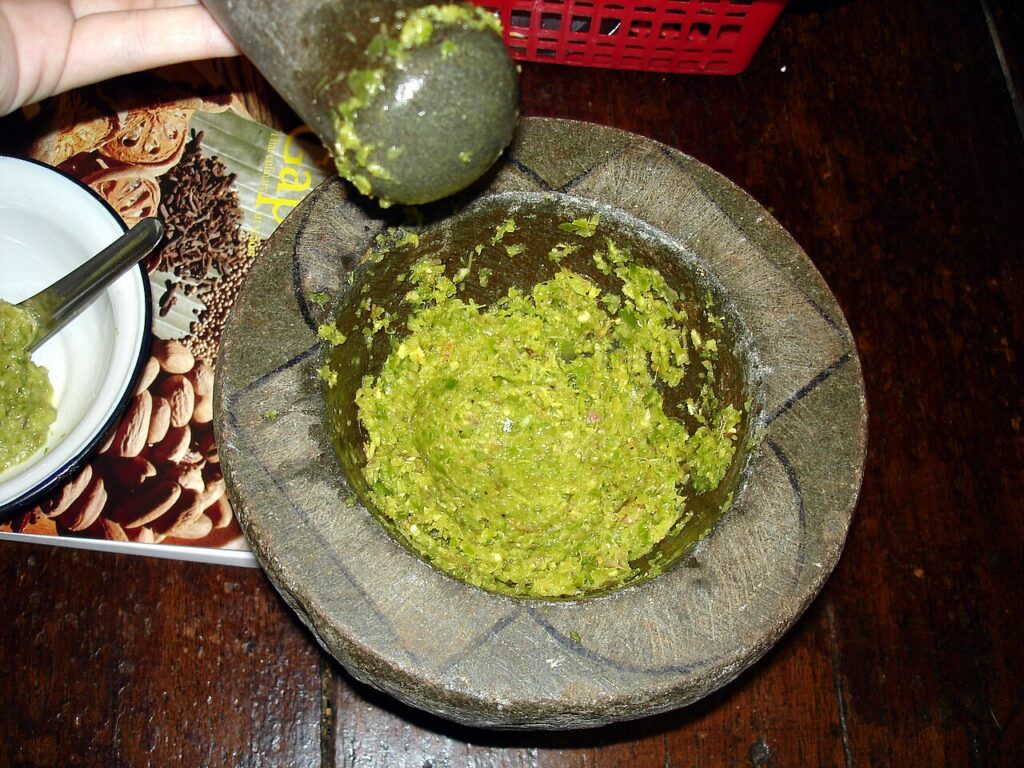
- Green curry: a market curry paste, coconut milk, chicken, Thai aubergine and basil.
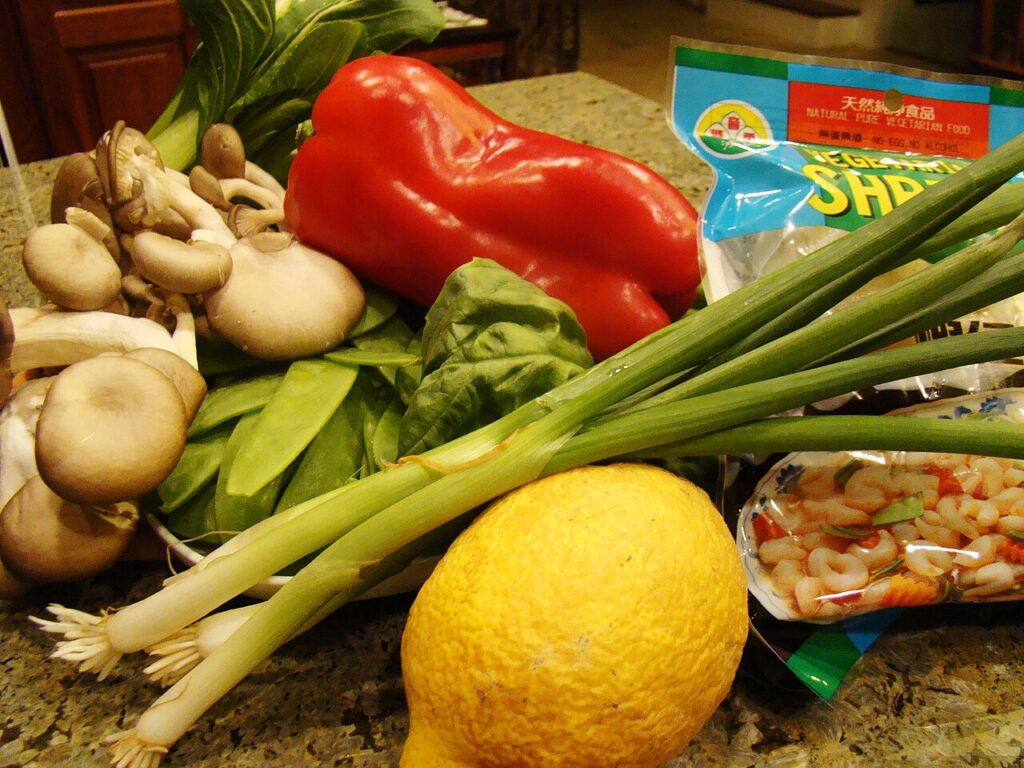
- Tom yum: lemongrass, galangal, lime leaves, chilli, mushrooms and prawns.
- Fried rice: the best use for yesterday’s rice.
Learn the basics in a Thai cooking class, and see Thai curries and Thai dishes to try for ideas.
Condo kitchens
- Many condos, especially studios, have a small electric hob, a fridge and no oven. An air fryer, a rice cooker and a microwave go a long way.
- Ask before you sign a lease what the kitchen has, and check your building’s rules on cooking smells and gas bottles. See condo living rules.
- If you cook with gas, the standard household bottle is 15 kg. The government held household cooking gas at ฿423 a 15 kg bottle under a price freeze that ran to 31 October 2026, so check the current price when you reorder.
- Electricity matters more than you’d think if you cook on an electric hob or oven. The state rate averages about ฿3.86 a unit from September 2026, but many condos and landlords charge ฿5 to ฿8. See utilities and bills.
- Kitchen kit is cheap at Big C, Lotus’s and Makro, or buy second hand. See second hand buy and sell.
Pro tip: I'm a microwave kind of guy, and my Sharp 28 litre microwave with a grill was worth every penny. It's big and fast, the grill means it does more than reheat, and I have no complaints. I paid about 4,000 baht. (I earn a small commission from Lazada if you buy through my links, at no extra cost to you. Affiliate disclosure.)
Food safety in the heat
- Wash fruit and vegetables well and peel what you can.
- Get meat and fish into the fridge quickly; a cool bag helps.
- Don’t drink the tap water. Use bottled or refill water for drinking, and see drinking water.
- Food left out draws ants fast. Keep the kitchen clean and see bugs and pests.
- Take food scraps out often. See rubbish and recycling.
Does cooking save money?
Not always. A Thai street meal often costs about ฿50 to ฿80, and by the time you’ve bought oil, sauces, gas or power and a few things you don’t use up, cooking for one can cost the same or more. Cooking saves money when you cook for two or more, cook in batches, and stick to Thai ingredients. It saves the most when you’d otherwise eat Western food out. Buy local brands and seasonal produce (see Thai fruit), and watch the supermarkets’ weekly promotions. See cheap eats and cost of living.
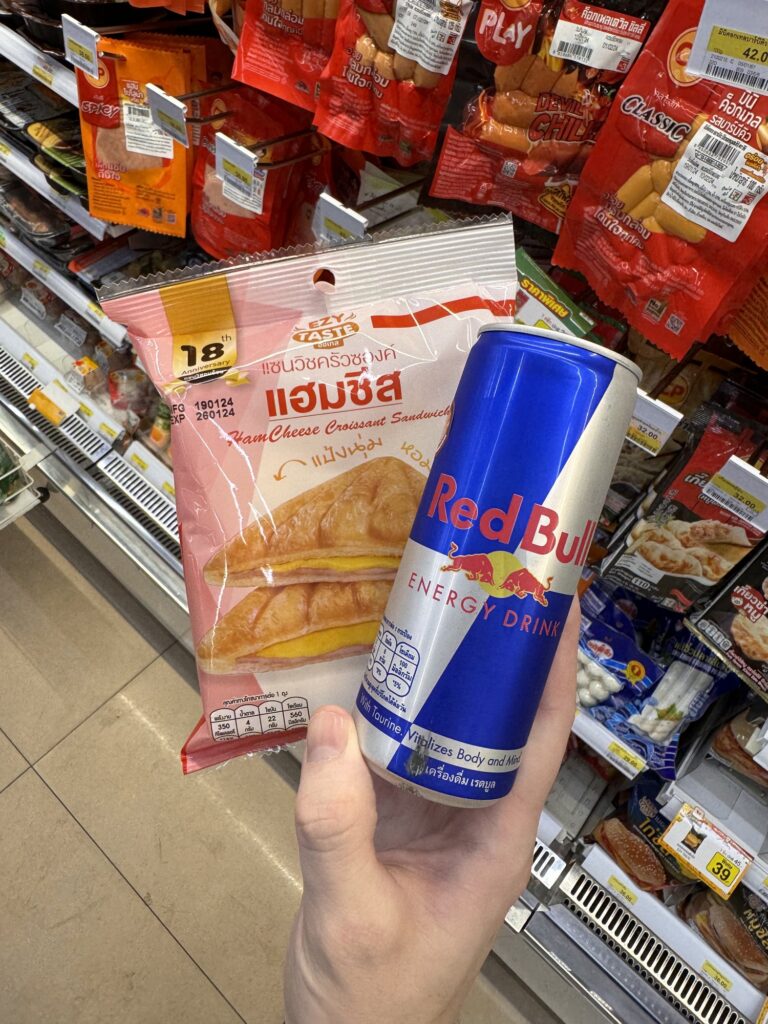
Pro tip: on a tight budget he lives on meals and snacks from 7-Eleven, Tops and Mini Big C through the day, then one high protein meal with a few eggs and chicken.
Common questions
Is it cheaper to cook or eat out in Pattaya? For one person, Thai street food is often as cheap as cooking. Cooking wins for couples and families, for batch cooking, and against Western restaurant prices.
Do Pattaya condos have kitchens? Most have at least a small hob and a fridge, but many have no oven. Ask before you sign.
Can I use a gas stove in my condo? It depends on the building. Check the house rules, and ask the office before you bring in a gas bottle.
Sources
Checked 13 November 2026: Nation Thailand, LPG held at ฿423 per 15 kg cylinder until 31 October 2026 (7 August 2026; no later extension found); our own supermarkets and groceries, fresh markets and utilities and bills pages, each with their own sources. Prices change often; check before you rely on them.
Related pages

Ride along with Jonny
Every guide page comes from the nightly rides through Pattaya. Watch them, ask questions in the community, or help keep the camera rolling.
Watch the rides Join the Telegram Leave a tip Support the rides

 ไทย
 中文
 Русский
 한국어
 Deutsch
 Français